

Do I Need an Eye Test Even If My Vision Seems Fine? | Robin Hall Opticians
It’s easy to assume that if you can see clearly, your eyes must be healthy. Many people only consider booking an eye test when they notice blurred vision, eye strain, or difficulty reading.
But the truth is, good vision doesn’t always mean good eye health.
Many serious eye conditions develop gradually without any obvious symptoms. By the time you notice changes to your sight, irreversible damage may have already occurred.
That’s why regular eye tests are essential, even when everything feels fine.
At Robin Hall Opticians in Manchester, we help patients understand that a comprehensive eye exam is about far more than checking whether you need glasses. It’s a vital health check that can detect early signs of eye disease, monitor changes over time, and even reveal wider health issues before they become serious.
This article explains why routine eye examinations matter, what they can detect, and how often you should have them, regardless of how well you think you can see.
Why Good Vision Doesn’t Always Equal Good Eye Health
Your ability to see clearly is just one part of eye health.
Many conditions that threaten your sight develop in areas of the eye that don’t immediately affect your central vision. You might pass a standard vision test with flying colours, yet still have underlying issues that need attention.
Think of it like blood pressure. You can’t feel high blood pressure, but it can cause serious harm if left unchecked. Eye health works in much the same way.
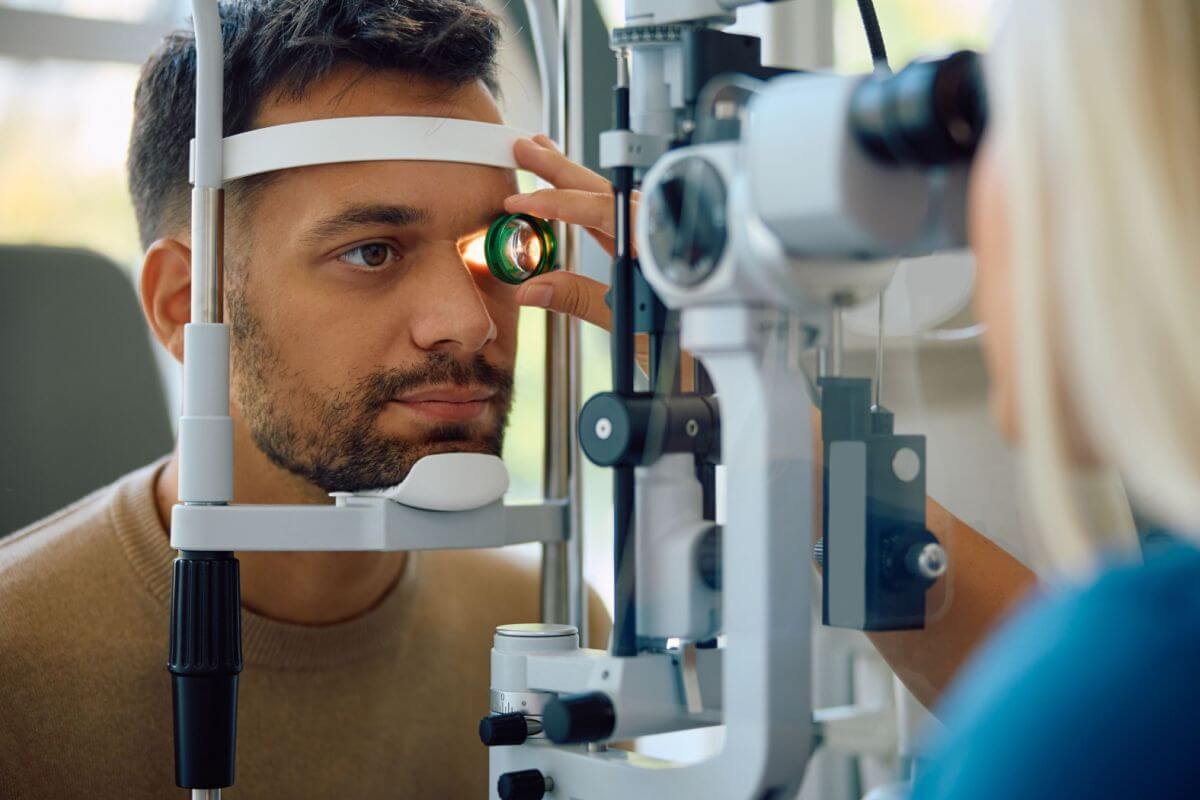
An eye test optician uses specialist equipment to examine the internal and external structures of your eyes. This allows them to detect problems long before you’d notice them yourself.
Waiting until you experience symptoms often means waiting too long.
Eye Conditions That Develop Without Symptoms
Several serious eye conditions can progress silently for months or even years. Here are some of the most common:
Glaucoma
Glaucoma is one of the leading causes of preventable blindness in the UK. It damages the optic nerve, usually due to increased pressure inside the eye.
The problem? It typically affects peripheral vision first, which your brain compensates for naturally. You won’t notice anything wrong until significant, permanent damage has occurred.
A routine eye examination includes pressure tests and optic nerve assessments that can detect glaucoma in its earliest stages, when treatment is most effective.
Age-Related Macular Degeneration (AMD)
AMD affects the central part of your vision and is more common as you get older. Early-stage AMD rarely causes noticeable symptoms.
During a comprehensive eye exam, your optician can spot the first signs of AMD, allowing you to take preventative steps and slow its progression.
Diabetic Retinopathy
If you have diabetes, even if well-managed, you’re at risk of diabetic retinopathy. This condition damages the blood vessels in your retina and can lead to severe vision loss.
Many people have no symptoms in the early stages. Regular eye health checks are essential for anyone with diabetes, as early detection can prevent serious complications.
Cataracts
Cataracts develop slowly and can take years before they affect your day-to-day vision. During routine eye tests, your optician can monitor cataract development and advise you on the right time for treatment.
Retinal Detachment Risk
Some people have retinal changes or tears that put them at higher risk of retinal detachment. These don’t cause symptoms until detachment begins, at which point it becomes an emergency.
An eye test can identify these warning signs early, giving you the chance to take preventative action.
What Else Can an Eye Test Detect?
Your eyes are windows to your overall health. A comprehensive eye exam can reveal more than just eye-related conditions.
High Blood Pressure
Changes to the blood vessels in your retina can indicate high blood pressure. Your optician may spot these signs before you’ve had a blood pressure check elsewhere.
High Cholesterol
Deposits in the cornea or retina can suggest high cholesterol levels. Detecting this early gives you the opportunity to make lifestyle changes or seek medical advice.
Diabetes
Sometimes the first signs of diabetes appear during a routine eye examination. Changes to the retina or unusual blood vessel patterns can prompt further testing.
Neurological Conditions
The optic nerve and eye muscles can show early signs of neurological issues, including multiple sclerosis or brain tumours. While rare, these findings can be life-saving.
Autoimmune Diseases
Inflammation in the eye can be linked to autoimmune conditions such as rheumatoid arthritis or lupus.
This is why an eye test is not just about vision correction. It’s a comprehensive health check that supports your wellbeing on multiple levels.
How Often Should You Have an Eye Test in the UK?
The frequency of eye tests depends on your age, risk factors, and personal eye health history.
Adults Under 40
If you have no known eye conditions or risk factors, an eye test every two years is generally recommended.
Adults Aged 40 to 59
You should continue with eye tests every two years unless advised otherwise by your optician.
Adults Aged 60 and Over
From age 60, annual eye tests are recommended. The risk of age-related conditions such as glaucoma, cataracts, and AMD increases significantly as you get older.
Children and Young People
Children should have their first eye test before starting school, ideally around age three or four. After that, tests every two years are advised unless concerns arise.
Higher Risk Groups
You may need more frequent eye tests if you:
- Have diabetes
- Have a family history of glaucoma or other eye conditions
- Take certain medications that affect eye health
- Have previously been diagnosed with an eye condition
- Work in environments that strain or risk your eyes
Your optician will advise you on the best schedule for your individual needs.
What Happens During a Professional Eye Examination?
If you’ve never had a full eye test, or it’s been a while, you might wonder what to expect.
A comprehensive eye exam at a professional practice like Robin Hall Opticians typically includes:
Discussion of Your Health and Vision History
Your optician will ask about any symptoms, medical conditions, medications, and family history of eye disease. This helps them tailor the examination to your needs.
Visual Acuity Test
This measures how well you can see at different distances. You’ll read letters on a chart to assess the sharpness of your vision.
Refraction Assessment
If you need glasses or contact lenses, this test determines the correct prescription. Your optician will use a series of lenses to find the clearest focus.
Eye Muscle and Coordination Check
Your optician will assess how well your eyes work together and track movement.
Pressure Test (Tonometry)
This measures the pressure inside your eyes, helping to detect glaucoma.
Pupil Response and Reaction Tests
These check how your pupils respond to light and can reveal neurological issues.
Retinal Examination
Using specialist equipment, your optician will examine the back of your eye, including the retina, optic nerve, and blood vessels. This is crucial for detecting conditions like AMD, diabetic retinopathy, and glaucoma.
Additional Imaging (If Needed)
Some practices offer advanced imaging such as OCT (optical coherence tomography) scans, which provide detailed images of the layers of your retina.
The entire process is painless and typically takes 20 to 40 minutes.
You’ll leave with a clear understanding of your eye health, any changes since your last visit, and recommendations for ongoing care.
Why Choosing the Right Optician Matters
Not all eye tests are the same.
The quality of your examination depends on the skill of your optician, the technology they use, and the time they dedicate to understanding your individual needs.
At Robin Hall Opticians, patients benefit from:
- Experienced, fully qualified optometrists
- Comprehensive, unhurried examinations
- Modern diagnostic equipment
- A patient-first approach that prioritises your long-term eye health
- Clear, jargon-free explanations of findings and recommendations
When you choose a trusted, professional optician, you’re not just ticking a box. You’re investing in the early detection of conditions that could affect your vision and overall health for years to come.
Common Myths About Eye Tests
“I Can See Fine, So I Don’t Need a Test”
As we’ve covered, many sight-threatening conditions have no early symptoms. Waiting until you notice a problem is too late.
“Eye Tests Are Only for People Who Wear Glasses”
Eye tests are health checks, not just vision checks. Even if you have perfect vision, you still need regular examinations.
“I’m Too Young to Worry About Eye Health”
Conditions like glaucoma can affect people in their 30s and 40s. Early detection is key at any age.
“Eye Tests Are Expensive”
Many people in the UK are eligible for free NHS eye tests, including those over 60, children, people with diabetes, and those with a family history of glaucoma. Even if you’re not eligible, private eye tests are affordable and represent excellent value for such an important health check.
“I Had an Eye Test Last Year, I’m Fine”
Eye health can change quickly. Sticking to your recommended schedule ensures nothing is missed.
The Benefits of Regular Eye Tests
Booking a routine eye examination, even when your vision feels fine, offers significant benefits:
Early Detection Saves Sight
Catching conditions like glaucoma or AMD early can prevent or slow vision loss.
Peace of Mind
Knowing your eyes are healthy allows you to get on with life without worry.
Updated Prescriptions
Even small changes to your prescription can reduce eye strain, headaches, and fatigue.
Overall Health Monitoring
Identifying systemic health issues through your eyes can prompt life-saving interventions.
Professional Guidance
Your optician can offer personalised advice on protecting your eyes, whether through lifestyle changes, protective eyewear, or screen habits.
Taking a Proactive Approach to Eye Health
Prevention is always better than cure.
Your eyes are precious, and unlike some parts of your body, damage to your vision is often irreversible. That’s why a proactive approach to eye care is so important.
Regular eye tests are one of the simplest and most effective ways to protect your sight and your health.
You don’t need to wait for a problem to arise. You don’t need to feel worried or anxious. You simply need to make eye care a normal part of your health routine, just like dental check-ups or health screenings.
At Robin Hall Opticians, we make the process straightforward, professional, and reassuring. Our team understands that many patients feel unsure about booking an eye test when they have no symptoms. That’s exactly why we focus on education, prevention, and patient-centred care.
Book Your Eye Test with Confidence
If it’s been more than two years since your last eye test, or if you’ve never had a comprehensive eye exam, now is the time to take action.
Robin Hall Opticians offers professional, thorough eye examinations for patients across Manchester and beyond. Whether you’re booking for yourself, a family member, or simply want to be proactive about your health, our experienced optometrists are here to help.
We’ll take the time to understand your needs, answer your questions, and provide clear, honest advice about your eye health.
Don’t wait for symptoms to appear. Look after your eyes today, so they can look after you for years to come.
Book your routine eye examination with Robin Hall Opticians and take a confident step towards protecting your long-term vision and health.
Frequently Asked Questions
1. How often should I have an eye test if I don’t wear glasses?
Even if you don’t wear glasses, you should have a routine eye examination every two years if you’re under 60, and annually if you’re over 60. Eye tests check for far more than just vision problems. They can detect serious conditions like glaucoma, cataracts, and signs of systemic health issues, even when your vision feels perfect.
2. Can an eye test detect health problems beyond my eyes?
Yes. A comprehensive eye exam can reveal early signs of diabetes, high blood pressure, high cholesterol, and even neurological or autoimmune conditions. The blood vessels and structures in your eyes provide valuable insights into your overall health, making regular eye tests an important part of preventative healthcare.
3. What age should children have their first eye test?
Children should have their first eye test before starting school, ideally around age three or four. Early eye tests help detect vision problems that can affect learning and development. After the first test, children should have their eyes examined every two years unless concerns arise.
4. Are eye tests free on the NHS?
You’re eligible for a free NHS eye test if you’re aged 60 or over, under 16, aged 16 to 18 and in full-time education, have diabetes or glaucoma, are at risk of glaucoma due to family history, or receive certain benefits. Even if you’re not eligible, private eye tests are affordable and represent excellent value for your health.
5. How long does a full eye examination take?
A comprehensive eye exam typically takes between 20 and 40 minutes. This includes discussing your health history, testing your vision, checking eye pressure, examining the internal structures of your eyes, and discussing the results with your optician. The process is thorough, painless, and designed to give you a complete picture of your eye health.
Robin Hall Opticians | Professional Eye Care in Manchester
Your eyes deserve expert care. Book your comprehensive eye examination today and enjoy the confidence that comes with proactive eye health.