
Contact Lenses Replacement Advice from Expert Optometrists
Wearing contact lenses past their replacement date is one of the most common causes of eye discomfort, infection, and long-term vision problems that our optometrists see in practice. Many patients assume that if their lenses still feel fine, they must still be safe to wear. This assumption is one of the biggest myths in eye care, and it is exactly why clear, professional contact lenses replacement advice matters so much.
At Robin Hall Opticians, we support contact lens wearers across Manchester with honest, experience-led guidance that helps you protect your eyes while enjoying clear, comfortable vision every day. This article brings together the practical knowledge our optometrists share with patients in clinic, covering how often lenses need replacing, the warning signs that indicate a change is overdue, the risks of stretching out your wear time, and the hygiene habits that keep your eyes healthy for years to come.
By the end of this guide, you will understand exactly when to replace contact lenses, how to build a replacement schedule that fits your lifestyle, and why regular professional check-ins with an optometrist are non-negotiable for safe lens wear.
How Often Should Contact Lenses Be Replaced?
The honest answer is that it depends entirely on the type of lens you wear. Contact lens manufacturers design each product with a specific replacement schedule based on the material, oxygen permeability, and how the lens breaks down with daily use. Ignoring this schedule is one of the fastest ways to compromise eye health.
Daily Disposable Lenses
Daily lenses are worn once and thrown away at the end of the day. There is no cleaning, no storage, and no reuse. This makes them the simplest and, in many cases, the healthiest option for people prone to dryness or allergies, because a fresh, sterile lens goes onto the eye every single morning.
Weekly and Fortnightly Lenses
These lenses are removed each night, cleaned, and stored in disinfecting solution, then replaced after one or two weeks depending on the product. They demand more discipline around cleaning than daily lenses, and skipping steps in the cleaning routine increases the risk of deposits building up on the lens surface.
Monthly Contact Lenses
A monthly contact lens replacement schedule is one of the most widely prescribed options, particularly for patients who want a balance between cost and convenience. Monthly lenses require nightly cleaning and disinfection, and they must be replaced exactly one month from the date they are first worn, not one month from the date the packet was opened.
Reusable and Extended Wear Lenses
Some patients are fitted with reusable lenses designed for longer wear cycles under close optometrist supervision. These require the most rigorous hygiene practices and the most frequent professional monitoring, because the longer a lens stays in use, the more opportunity there is for protein deposits, bacterial buildup, and material degradation.
Whatever type you wear, the replacement date on the packaging is not a suggestion. It reflects the point at which the manufacturer can no longer guarantee the lens material will perform safely on your eye.
When to Replace Contact Lenses: Key Signs to Watch For
Contact lens replacement advice from optometrists always starts with one core message: never judge a lens by comfort alone. Many patients wait until a lens feels irritating before considering a swap, but by that point damage or infection risk may already be underway. Our optometrists encourage patients to watch for the following signs.
Blurred or fluctuating vision. If your vision seems less sharp than usual, even slightly, this can indicate that deposits have built up on the lens surface or that the lens material has started to degrade.
Increased dryness or a gritty feeling. A lens that once felt comfortable but now feels dry or scratchy has likely reached the end of its usable life, even if you are technically still within its replacement window.
Redness or visible irritation. Persistent redness is never something to lens through. It often signals that the eye is reacting to a lens that has overstayed its recommended wear period.
Excess tearing or discharge. This can point to a build-up of bacteria or allergens trapped against the eye surface, which becomes more likely the longer a lens is worn beyond its schedule.
Sensitivity to light. New or worsening light sensitivity while wearing lenses should always prompt an immediate check, since it can be an early indicator of corneal stress.
A change in how the lens sits on the eye. If a lens that used to sit comfortably now feels loose, tight, or off-centre, the shape of the lens may have altered slightly through wear.
If you notice any of these signs, the safest step is to remove the lenses immediately and book a professional contact lens consultation rather than waiting to see if the symptoms pass on their own.
The Risks of Wearing Contact Lenses Beyond Their Replacement Period
Our optometrists regularly explain to patients why stretching a lens beyond its recommended schedule is never worth the short-term saving. The risks build gradually and are not always obvious until a problem has already developed.
Reduced Oxygen Flow to the Cornea
Contact lens materials are engineered to allow a specific amount of oxygen through to the cornea. As a lens ages and accumulates deposits, oxygen permeability drops, which can lead to corneal swelling and long-term changes in corneal health.
Higher Risk of Infection
Bacteria and protein deposits build up on lens surfaces over time. Wearing a lens beyond its intended lifespan significantly raises the risk of eye infections, including microbial keratitis, a condition that can threaten vision if not treated promptly.
Lens Deformation
Lens materials gradually lose their original shape and flexibility. A misshapen lens can shift on the eye, cause blurred vision, or create pressure points that damage the eye surface over repeated wear.
Increased Dryness and Discomfort
Older lenses hold less moisture and attract more airborne debris, which is why many patients who overwear their lenses report a gradual increase in dryness, even if they previously had no issues with dry eyes.
Corneal Abrasions and Scarring
In more serious cases, prolonged use of a degraded lens can scratch the surface of the eye. Left untreated, this can progress to scarring that affects vision permanently.
These risks are precisely why our optometrists treat contact lens replacement advice as a core part of every fitting and aftercare appointment, not an optional extra.
Building the Right Contact Lens Replacement Schedule for Your Eyes
There is no single replacement schedule that works for everyone. The right choice depends on several personal factors that our optometrists assess during a professional contact lens consultation.
Your natural tear film. Patients with naturally drier eyes often do better on daily disposable lenses, since a fresh lens each day avoids the deposit buildup that worsens dryness in weekly or monthly wear.
Your lifestyle and environment. Frequent travel, exposure to dust or air conditioning, screen-heavy work, or sports and swimming can all shorten how long a lens performs comfortably, even within its official replacement window.
Your prescription and eye shape. Some prescriptions and corneal shapes are better suited to particular lens materials, which in turn affects how quickly a lens should be replaced.
How consistently you can maintain a cleaning routine. Reusable lenses demand a strict nightly cleaning habit. If your routine is inconsistent, a shorter replacement cycle or daily lenses may be the safer, more practical choice.
Any history of eye infections or allergies. Patients with a history of allergic reactions or previous infections are often guided towards more frequent replacement schedules to reduce ongoing risk.
Our optometrists take all of these factors into account during your contact lens fitting, rather than applying a one-size-fits-all approach. This is one of the reasons professional guidance consistently outperforms guesswork when it comes to choosing between daily, weekly, or monthly lenses.
Contact Lens Care Advice: Hygiene Habits That Protect Your Eyes
Good replacement habits only work when paired with strong daily hygiene. Our optometrists consistently reinforce the following practices with every patient during aftercare appointments.
Always wash and dry your hands before handling lenses. Soap and water, followed by a lint-free towel, remove bacteria and debris that could otherwise transfer directly onto the lens surface.
Never rinse lenses with tap water. Tap water carries microorganisms that can cause serious infections. Always use the sterile solution recommended for your specific lens type.
Replace your lens case regularly. Cases should be replaced at least every one to three months, since even a clean-looking case can harbour bacteria in its ridges and seals.
Never top up old solution. Always empty the case and refill with fresh solution each night rather than adding more solution on top of what is already there.
Avoid sleeping in lenses unless specifically prescribed for extended wear. Sleeping in daily or standard reusable lenses significantly restricts oxygen flow to the cornea overnight.
Never wear lenses while swimming or in the shower without protection. Water exposure introduces bacteria and can cause lenses to change shape, both of which increase infection risk.
Stick to the replacement schedule your optometrist has recommended. This remains the single most important habit for long-term contact lens health, and it is the foundation of all other contact lens care advice.
Common Contact Lens Mistakes to Avoid
Even conscientious wearers can fall into habits that quietly increase risk over time. Our optometrists highlight these mistakes most often during consultations.
Wearing lenses for longer hours than recommended. Extending daily wear time beyond what your eyes can tolerate leads to dryness, discomfort, and a higher risk of complications.
Ignoring mild symptoms. Slight discomfort is often dismissed as normal, when in fact it is usually an early signal that something needs attention.
Skipping regular eye examinations. Contact lens wearers need more frequent eye health checks than glasses wearers alone, since lenses sit directly on the eye surface and interact with it continuously.
Buying lenses without an up-to-date prescription. Prescriptions change over time, and wearing outdated lenses can strain vision and mask developing eye conditions.
Using expired solution or lenses. Expired products lose their effectiveness and can introduce contamination.
Self-diagnosing discomfort instead of seeking professional advice. What feels like simple dryness can sometimes be an early sign of infection or a lens fit that no longer suits the shape of your eye.
Avoiding these mistakes starts with education, which is exactly why our optometrists build patient guidance into every stage of the contact lens fitting and aftercare process.
Why Professional Contact Lens Health Checks Matter
Routine contact lens health checks are not simply about renewing your prescription. Our optometrists use these appointments to assess three critical areas that directly affect how safely and comfortably you can continue wearing lenses.
Comfort Assessment
We ask detailed questions about how your lenses feel throughout the day, including at the start, middle, and end of wear time. Comfort that declines as the day goes on can point to a lens type that no longer suits your tear film or lifestyle.
Vision Quality Assessment
Even small changes in prescription can affect how clearly you see through your lenses. Regular checks catch these shifts early, before they start affecting daily tasks like driving or screen work.
Eye Health Assessment
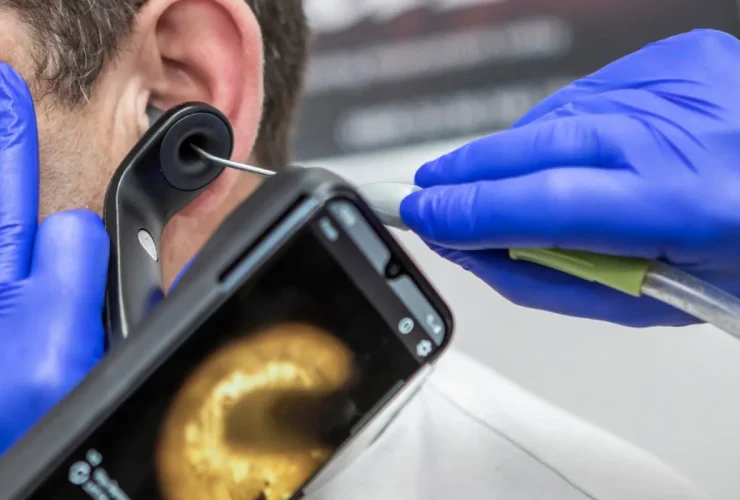
Using specialist equipment, our optometrists examine the surface of your eye for signs of dryness, inflammation, or early changes linked to lens wear. This is one of the most important parts of any check, since many complications develop gradually and without obvious symptoms in the early stages.
A professional contact lens consultation at Robin Hall Opticians brings all three of these assessments together, giving you a complete picture of your eye health rather than a quick prescription renewal.
How Robin Hall Opticians Supports You Through Fitting and Ongoing Lens Care
Choosing the right lenses is only the beginning. At Robin Hall Opticians, our approach is built around ongoing, personalised support rather than a single appointment.
During your initial contact lens fitting, our optometrists assess your eye shape, tear film, lifestyle, and prescription to recommend the most suitable lens type for you. We take the time to explain how your specific lenses should be worn, cleaned, and replaced, so you leave with a clear understanding of your personal schedule rather than generic instructions.
Patients who join one of our contact lens schemes benefit from free fitting, free aftercare, and scheduled lens replacement built directly into their plan, along with reduced pricing on sight tests and eyewear. This structure is designed to remove the guesswork from ongoing lens care and make it easier to stay consistent with the schedule your optometrist recommends.
We also carry a range of trusted lens brands, giving our optometrists the flexibility to match you with the best contact lenses for your eyes rather than limiting your options to a single supplier. If your needs change over time, whether through a shift in prescription, lifestyle, or comfort, we adjust your plan accordingly during your regular check-ins.
Frequently Asked Questions on Contact Lens Replacement
How long do contact lenses last once opened?
This depends on the lens type. Daily lenses last one day. Weekly and fortnightly lenses last one to two weeks from first wear. Monthly lenses last one month from first wear, not from the date the box was opened.
Can I wear contact lenses for longer than recommended if they still feel comfortable?
No. Comfort is not a reliable indicator of lens safety. Lens materials degrade in ways that are not always noticeable, which is why the manufacturer’s replacement schedule should always be followed regardless of how the lens feels.
What are the best contact lenses for daily wear?
This varies by individual eye shape, tear film, and lifestyle. Many patients with active routines or sensitivity to dryness do well with daily disposables, but the right answer depends on a professional assessment during a contact lens fitting.
How often should I see an optometrist if I wear contact lenses?
Most contact lens wearers should have a professional check-up at least once a year, though some patients require more frequent monitoring depending on their eye health history.
Book Your Professional Contact Lens Consultation Today
Following the correct replacement schedule is one of the simplest, most effective ways to protect your eye health while enjoying the freedom that contact lenses provide. Yet knowing the theory is only half the picture. The right lenses, the right schedule, and the right care routine all depend on a professional assessment tailored to your eyes.
At Robin Hall Opticians, our expert optometrists are here to guide you through every stage, from your first contact lens fitting to ongoing health checks that keep your vision sharp and your eyes protected. If you are unsure whether your current replacement schedule is right for you, or if you have noticed any changes in comfort or vision, do not wait for the problem to worsen.
Book a professional contact lens consultation with Robin Hall Opticians in Manchester today, and let our optometrists give you clear, personalised contact lenses replacement advice you can trust for years to come.
Book Your Appointment or explore our full range of contact lens services to get started.