
Can Children Wear Contact Lenses? What Parents Should Know
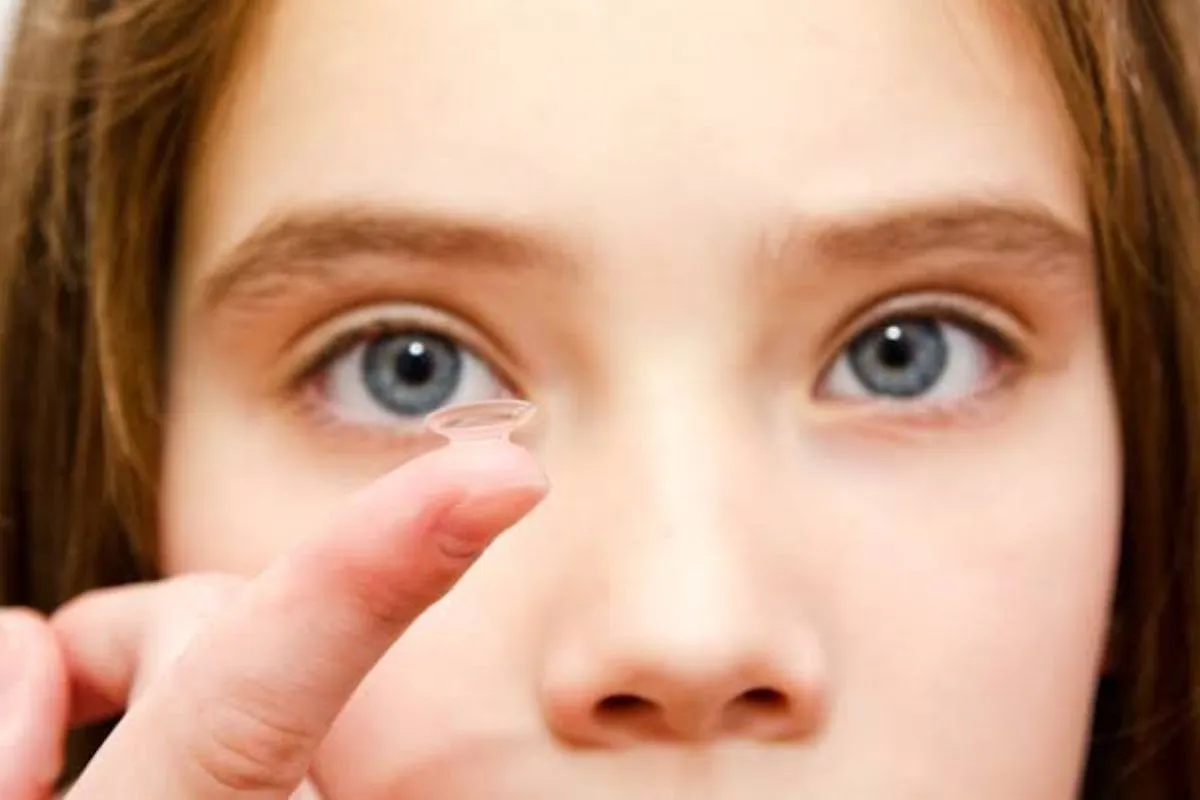
If your child has started asking about contact lenses, you are not alone. More children and teenagers are showing an interest in swapping their glasses for lenses, whether for sport, confidence, or simply personal preference. As a parent, it is natural to wonder whether this is safe, whether your child is ready, and what is actually involved.
The short answer is that many children can wear contact lenses successfully. However, suitability is not determined by age alone. It depends on your child’s individual eye health, maturity, hygiene habits, and ability to follow instructions consistently. This guide explains what parents need to know before considering contact lenses for children, so you can have an informed conversation with a qualified optician.
Can Children Wear Contact Lenses?
Yes, children can wear contact lenses, but there is no fixed age at which every child becomes ready. Some children manage lenses confidently from around eight or nine years old, while others may not be ready until their early teens, or may prefer glasses altogether.
Opticians assess each child individually rather than applying a blanket rule. The decision is based on the child’s eyes, their motivation, and their ability to handle lenses hygienically and safely, not simply on how old they are. This is why an assessment with a qualified optician is the only reliable way to know whether children’s contact lenses are appropriate for your particular child.
What Age Can a Child Start Wearing Contact Lenses?
Parents often search for a specific starting age, but there genuinely isn’t one that applies universally. Some clinical guidance and optician experience suggests many children can be considered from around eight years old, provided they show the right readiness signs. Others may need more time.
Rather than focusing on a number, it is more useful to think about readiness. An optician will typically consider:
- Whether the child can understand and follow instructions about insertion, removal, and hygiene
- Whether the child is motivated to wear lenses, rather than being pushed into it by a parent
- Whether the child’s eyes are healthy and suitable for lens wear
- Whether the family can support consistent lens care at home
- Whether the child’s lifestyle, such as sports or activities, would genuinely benefit from lenses
This individual approach means a mature nine-year-old might be a better candidate than a reluctant thirteen-year-old, which is why professional judgement matters more than a birthday.
How Do Parents Know if Contact Lenses Are Suitable for Their Child?
There is no single test that confirms readiness, but there are some helpful signs parents can look out for before booking an assessment.
Signs a child may be ready for contact lenses include:
- They ask about lenses themselves, rather than being encouraged solely by a parent
- They already manage personal hygiene tasks independently, such as brushing teeth or washing hands thoroughly without reminders
- They can follow a sequence of instructions carefully
- They understand the importance of not touching their eyes with unwashed hands
- They are responsible with belongings and unlikely to lose or misplace items carelessly
- They have a genuine reason for wanting lenses, such as sport, confidence, or comfort with glasses
None of these signs guarantee suitability on their own. They simply give parents a starting point for discussion with an optician, who will carry out a proper children’s eye test and contact lens assessment before making any recommendation.
What Are the Benefits of Contact Lenses for Children?
For children who are ready, lenses can offer some practical advantages over glasses, particularly in specific situations.
Potential benefits include:
- A wider, more natural field of vision without a frame at the edges
- Greater convenience during contact sports, swimming, or activities where glasses can be impractical or easily damaged
- No lenses fogging up or slipping down the nose during physical activity
- An alternative for children who feel self-conscious wearing glasses at school
- Freedom from frames that can break or need frequent adjustment as a child grows
It is important to say clearly that lenses are not automatically better than glasses. Glasses remain an excellent, safe, and low-maintenance option for the majority of children, and many children do very well with them throughout childhood. The right choice depends entirely on the individual child’s needs, preferences, and circumstances, and this is something best discussed openly with an optician rather than decided at home.
Are Contact Lenses Safe for Children?
Contact lenses can be worn safely by children when they are properly fitted, used correctly, and looked after with good hygiene. Safety depends far more on how lenses are used day to day than on the age of the wearer.
The main safety considerations include:
- Following the wearing schedule and replacement frequency exactly as advised by the eye care professional
- Never sleeping in lenses unless specifically advised that the prescribed lenses are suitable for that use
- Never sharing lenses with siblings or friends, even briefly
- Washing hands thoroughly before touching lenses or eyes
- Attending all recommended follow-up appointments so the optician can monitor eye health
Poor hygiene or ignoring these guidelines can increase the risk of eye irritation or infection, which is why parental involvement and clear instructions from a professional are so important, particularly in the early stages of lens wear.
How Should Children Clean and Care for Contact Lenses?
Good contact lens hygiene is one of the most important factors in safe lens wear, and it is a habit that needs to be taught and reinforced consistently.
Sensible contact lens care habits for children include:
- Washing and drying hands properly before handling lenses
- Using only the cleaning or storage solution recommended by the optician, if applicable to the lens type
- Never rinsing lenses with tap water
- Handling lenses gently to avoid tearing or damage
- Replacing lenses exactly as instructed, never wearing them for longer than recommended
- Storing lens cases properly and replacing them regularly, where relevant
Parents often play an important supervisory role at first, particularly with younger children, gradually stepping back as the child demonstrates consistent, independent good habits.
What Should Parents Know About Daily Disposable Contact Lenses?
Daily disposable contact lenses are often discussed with parents because a fresh pair is used each day and then discarded, which removes the need for cleaning and storage routines. This can make the daily routine more straightforward for some families.
That said, daily disposables are not automatically the right choice for every child. The most suitable lens type depends on the child’s prescription, eye health, lifestyle, and the professional judgement of the optician carrying out the assessment. This article does not recommend a specific lens type, as this decision should always be made individually during a proper fitting.
What Happens During a Children’s Contact Lens Fitting?
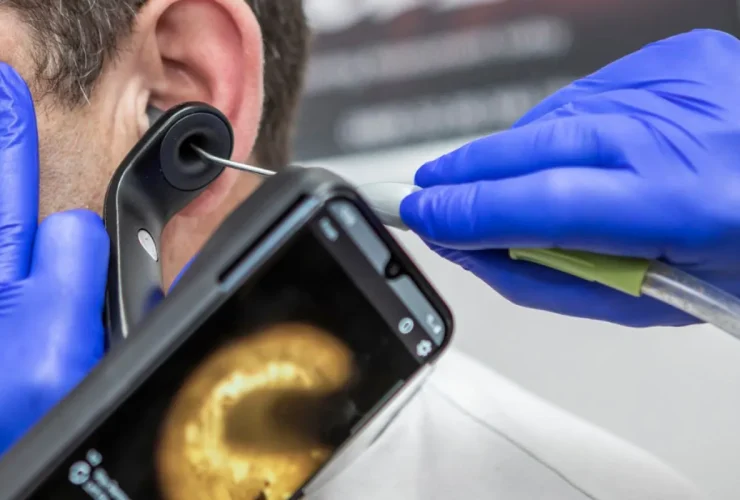
A contact lens fitting for children is more thorough than simply handing over a box of lenses. It typically involves a full eye examination to check vision and eye health, followed by measurements of the eye’s shape and surface to determine appropriate lens parameters.
The optician will also spend time teaching the child, and often the parent, how to insert and remove lenses correctly, how to recognise when something feels wrong, and what hygiene steps must be followed. Follow-up appointments allow the optician to check the eyes are responding well to lens wear and that the child is managing the routine confidently.
This process is also an opportunity for parents to ask questions. Useful questions to ask an optician include:
- Is my child’s prescription and eye health suitable for lenses at this stage?
- What wearing schedule and replacement routine is being recommended?
- What symptoms should prompt us to remove the lenses immediately?
- How often will follow-up checks be needed?
- What should we do if a lens feels uncomfortable or won’t come out easily?
When Should a Child Remove Their Contact Lenses?
Children should be taught clearly that lenses should be removed if certain symptoms occur, rather than persevering through discomfort.
A child should remove their lenses and seek advice if they experience:
- Persistent redness in the eye
- Pain or ongoing discomfort
- Unusual sensitivity to light
- Discharge or watering that isn’t normal for them
- Blurred or reduced vision
- A general feeling that something is not right with the eye
If any of these symptoms persist after removing the lenses, or if a child is in significant discomfort, parents should seek advice from their optician or another appropriate eye care professional promptly rather than waiting.
How Can an Optician Help Parents Choose the Right Option?
Deciding between glasses and lenses, or introducing lenses alongside glasses, is a decision best made with professional input rather than guesswork at home. An optician can assess your child’s eyes, discuss their lifestyle and motivation, and explain realistically whether they are likely to manage lenses safely at this stage.
At Robin Hall Opticians, our approach is to look at each child individually, taking into account their eye health, their prescription, and their readiness, so that any recommendation genuinely fits that child rather than following a generic rule. Whether your child is curious about childrens contact lenses for the first time, or you are simply weighing up the options, a proper eye examination is always the sensible starting point.
Summary and Next Steps
Contact lenses can be a safe and practical option for many children, but suitability depends on the individual child rather than a specific age. Maturity, hygiene habits, motivation, and the ability to follow instructions consistently all matter as much as, if not more than, how old a child is. Glasses remain an excellent option for many families, and choosing between the two should always be based on what suits your child best.
If you are considering contact lenses for kids in your family, the best next step is a professional eye examination and, if appropriate, a contact lens assessment with a qualified optician. This allows your child’s eyes to be properly checked and gives you clear, honest guidance tailored to their needs, rather than general assumptions.
To discuss whether contact lenses might be suitable for your child, book an eye examination with Robin Hall Opticians. Our team can assess your child’s vision and eye health and talk through the options available, helping you make a confident, informed decision together.
The information provided is for general informational purposes only and does not constitute advice. While we strive to ensure the information is accurate and up-to-date, we make no representations or warranties of any kind, express or implied, regarding the accuracy, adequacy, validity, or completeness of any information on this site.