

What Is Microsuction Ear Wax Removal and What Happens During It?
Blocked ears are one of those problems that can creep up gradually, then suddenly feel impossible to ignore. Muffled hearing, a sense of fullness, or an itch you can’t quite reach can all point to a build-up of ear wax. If you’ve searched for “microsuction ear wax removal” or wondered whether it’s the right option for you, this guide walks through exactly what the procedure involves, what tends to happen during an appointment, and what you might notice afterwards, so you can make an informed decision before booking anything.
What Is Microsuction Ear Wax Removal?
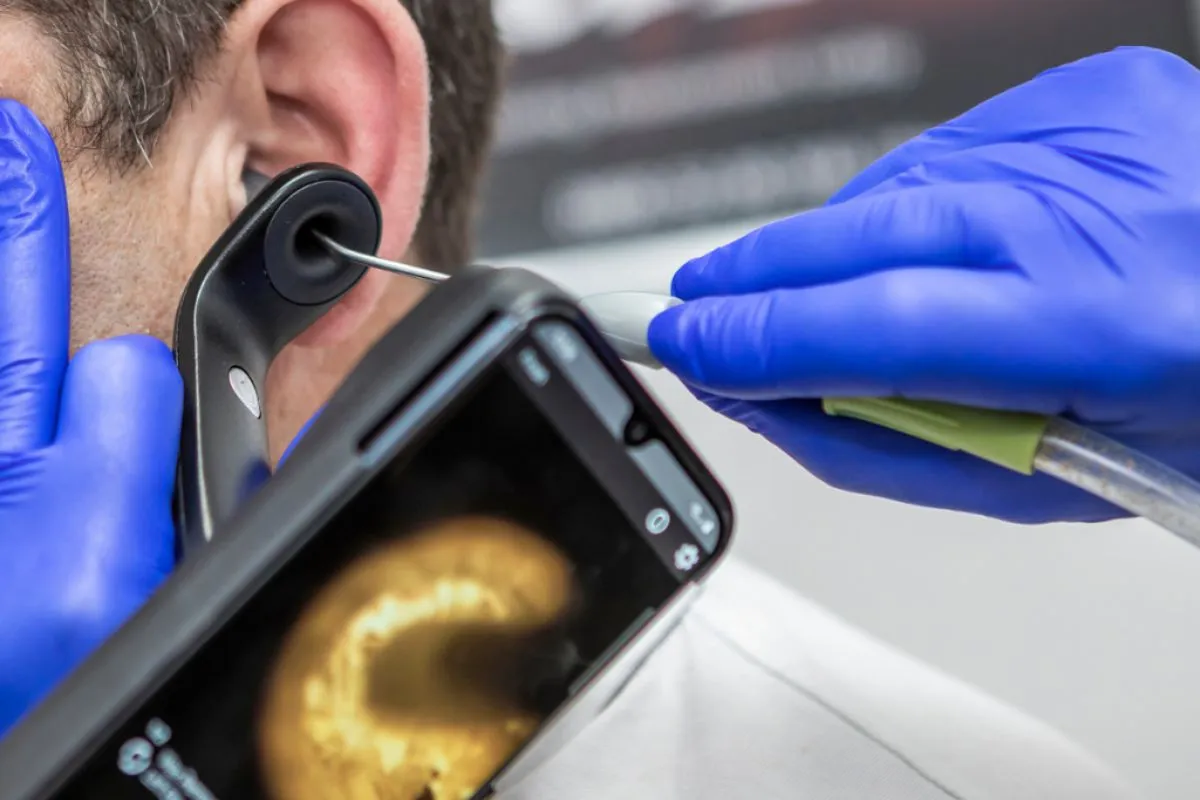
Microsuction ear wax removal is a method of clearing ear wax using a small, gentle suction device, guided by a microscope or magnifying loupe so the practitioner can see clearly into the ear canal throughout the procedure. Rather than flushing water into the ear or probing it manually, microsuction works by gently drawing wax and debris out under direct visual guidance.
This visual control is what sets microsuction apart from older approaches. Because the practitioner can see the ear canal and eardrum clearly, they’re able to work carefully and adjust their approach according to what they actually observe, rather than working by feel alone.
It’s worth being clear from the outset: microsuction is not a guaranteed one-step fix for every ear, and not everyone will find it equally comfortable or suitable. How appropriate it is for you can depend on factors such as the amount and position of wax, your general ear health, and any relevant medical history. A practitioner should always be able to explain this to you before proceeding.
Is Microsuction the Same as Ear Wax Removal in General?
Not quite. “Ear wax removal” is the broader term covering several different techniques, while microsuction is one specific method within that category. Other approaches you may have come across include ear irrigation (using water to flush the canal) or manual removal using specialist instruments.
Ear wax microsuction has become a popular choice partly because it doesn’t involve introducing water into the ear, and because the direct visual guidance allows for a more controlled, targeted process. That said, no single method suits every person or every type of ear wax build-up, which is why a proper assessment matters before any treatment goes ahead.
Why Might You Need Professional Ear Wax Removal?
Ear wax, medically known as cerumen, is a completely normal substance that the ear produces to protect and clean the ear canal. In most people, it works its way out naturally without any need for intervention. Problems tend to arise when wax builds up faster than it clears, or becomes compacted and impacted within the canal.
Common signs that ear wax build-up may be worth having assessed include:
- A feeling of blockage or fullness in one or both ears
- Muffled or reduced hearing
- Mild discomfort, itching, or a sense of pressure
- Tinnitus (ringing or buzzing) that seems linked to a blocked sensation
- Ears that feel blocked after swimming, showering, or using hearing aids or earplugs regularly
Some people are more prone to wax build-up than others, including those who wear hearing aids, use in-ear headphones frequently, or have narrower or more curved ear canals. If you regularly experience blocked ears, professional ear wax removal can offer a more comfortable and controlled alternative to attempting to clear it yourself.
It’s important not to insert cotton buds or other objects into the ear canal to try to remove wax, since this often pushes wax further in and can increase the risk of impaction or minor injury to the canal or eardrum.
What Happens During a Microsuction Appointment?
Every ear is different, so the exact experience can vary slightly from person to person, but a microsuction ear wax removal appointment generally follows a similar overall pattern.
Discussing Your Symptoms
The appointment typically begins with a conversation about your symptoms, how long you’ve noticed them, and any relevant medical history, such as previous ear surgery, perforations, or ongoing ear conditions. This helps the practitioner understand whether microsuction is likely to be appropriate for you.
Examining the Ear
Using an otoscope or microscope, the practitioner will look inside your ear canal to assess how much wax is present, where it’s positioned, and how impacted it appears. This step also helps rule out other causes of your symptoms that might need a different kind of attention.
Assessing Suitability
Not every ear is straightforward. If the wax is very hard, if there are signs of infection, or if there’s any concern about the eardrum, the practitioner may recommend a different approach, or suggest softening drops before attempting removal on another occasion.
Carrying Out the Microsuction Ear Wax Removal Treatment
If microsuction is judged suitable, the practitioner uses a fine suction probe to carefully draw wax out of the ear canal, working under continuous visual guidance. You may hear a distinctive humming or vacuum-like sound during this stage, which is entirely normal and comes from the suction device itself.
Checking the Result
Once the practitioner is satisfied that the ear canal is sufficiently clear, they will usually check the ear again to confirm the outcome and explain what they found, including whether any further action or follow-up might be worth considering.
Does Microsuction Hurt?
This is one of the most common questions people have, and understandably so. Microsuction ear wax removal is generally well tolerated, and many people describe it as more of an unusual sensation than a painful one. You may notice a cool feeling from the suction, some mild pressure, or the sound of the device itself, which can feel odd but isn’t typically described as painful.
That said, individual experiences vary. If your ear canal is particularly sensitive, if there’s inflammation present, or if the wax is very impacted, the procedure may feel less comfortable for you than it does for someone else. It’s not accurate to promise that microsuction is entirely painless for everyone, and a good practitioner will check in with you throughout and adjust or pause if you’re finding it uncomfortable.
How Long Does Microsuction Ear Wax Removal Take?
Appointment length can vary depending on how much wax is present and how straightforward it is to remove, but a typical microsuction appointment tends to be relatively short, often somewhere in the region of 15 to 30 minutes including the initial discussion and examination. Ears with more stubborn or impacted wax may take a little longer, while more minor build-up can sometimes be cleared quite quickly.
Because appointments are generally brief, many people find they’re able to fit an ear wax removal appointment around work or other commitments without much disruption to their day.
How Should You Prepare for a Microsuction Appointment?
A little preparation can make the appointment more straightforward, although it’s not always essential.
- Consider softening the wax beforehand. Some practitioners recommend using olive oil or a proprietary ear drop for a few days before your appointment, as softer wax can sometimes be easier to remove. Always follow specific guidance given to you rather than assuming this applies in every case.
- Avoid inserting anything into your ear canal. This includes cotton buds, which can compact wax further rather than clearing it.
- Mention any relevant history. Let the practitioner know about any previous ear surgery, perforated eardrums, grommets, chronic ear infections, or other ear conditions before the appointment begins.
- Flag any current symptoms. If you have ear pain, discharge, sudden hearing loss, or dizziness, it’s worth mentioning this clearly, as these symptoms may need a different kind of assessment.
What Should You Expect After Microsuction?
Most people notice an improvement in hearing clarity and a reduction in that blocked or full feeling fairly soon after treatment, although this can depend on how much wax was present and how significantly it was affecting your hearing beforehand.
It’s fairly common to have slightly heightened awareness of sounds in the treated ear for a short time afterwards, simply because the canal has been cleared. Some people also notice mild, temporary sensitivity. If you experience ongoing pain, dizziness, or discharge after your appointment, it’s sensible to seek advice rather than waiting to see if it settles on its own.
Aftercare advice can vary depending on your individual ear health, so it’s worth asking the practitioner directly what, if anything, they’d suggest for you, particularly if you’re prone to recurrent wax build-up.
Who May Benefit from Professional Ear Wax Removal?
Professional ear wax removal, including ear wax microsuction, may be worth considering if you experience:
- Frequent or recurrent ear wax build-up
- Blocked or muffled hearing that doesn’t clear on its own
- Difficulty with hearing aids or earplugs fitting properly due to wax
- A preference for a controlled, visually guided method over water-based irrigation
However, microsuction isn’t automatically the right choice for everyone. People with certain ear conditions, recent ear surgery, or active infections may need a different approach, and a practitioner should always be willing to explain why a particular method is or isn’t being recommended for your ear.
When Should You Seek Medical Advice Instead of Routine Ear Wax Removal?
While blocked ears are often simply down to wax build-up, some symptoms warrant medical assessment rather than routine removal. It’s worth speaking to a GP or appropriate healthcare professional if you experience:
- Sudden or significant hearing loss
- Ear pain that is severe or worsening
- Discharge, bleeding, or an unpleasant smell from the ear
- Dizziness or balance problems alongside ear symptoms
- A known perforated eardrum or recent ear surgery
- Symptoms affecting only one ear that appear suddenly and without explanation
These symptoms can sometimes indicate something other than straightforward wax build-up, so it’s important not to assume routine ear wax removal is the right first step without appropriate assessment.
Where Can You Arrange Professional Ear Wax Removal?
Robin Hall Opticians offers ear care services alongside its optical services, providing a convenient local option for people in Walkden, Worsley, and the wider Manchester area who are dealing with blocked or impacted ear wax. If you’ve been struggling with muffled hearing or that familiar sense of fullness, enquiring about a microsuction ear wax removal service locally means you don’t need to travel far for an assessment.
For those with a busy schedule, it’s also worth asking whether same day ear wax removal microsuction may be available, as appointment options can sometimes accommodate more time-sensitive needs, depending on availability.
Whether this is your first time considering professional ear wax removal or you’ve had it done before and know it works well for you, a conversation with a qualified practitioner is the best starting point to understand whether microsuction is a suitable option for your particular ears.
In Summary
Microsuction ear wax removal is a widely used method for clearing blocked or impacted ear wax, using a fine suction device under direct visual guidance rather than water-based flushing. Appointments are generally short, most people find the sensation tolerable rather than painful, and many notice clearer hearing soon afterwards. That said, suitability depends on your individual ear health and history, and some symptoms are better assessed by a GP before considering routine removal.
If blocked ears have been affecting your day-to-day hearing, Robin Hall Opticians can help you understand whether a microsuction ear wax removal appointment is a suitable next step. Get in touch to ask about their ear wax removal services and find out more about what’s involved for your particular circumstances.
The information provided is for general informational purposes only and does not constitute advice. While we strive to ensure the information is accurate and up-to-date, we make no representations or warranties of any kind, express or implied, regarding the accuracy, adequacy, validity, or completeness of any information on this site.