
What Is the Best Treatment for Extremely Dry Eyes?
Extremely dry eyes can turn ordinary tasks into a daily struggle. Reading, driving, working on a screen or simply stepping outside on a windy day can leave your eyes feeling gritty, sore and exhausted. If you have reached the point of asking what is the best treatment for extremely dry eyes, you are likely tired of temporary fixes that stop working within hours. This guide explains what causes severe dry eye disease, how it is properly diagnosed, and which treatments actually address the root cause rather than masking the symptoms. As an optometry-led practice with a dedicated interest in ocular surface health, Robin Hall Opticians has written this article to give you clear, evidence-based answers you can act on.
What Causes Extremely Dry Eyes?
Dry eye disease develops when your tears cannot keep the surface of your eyes properly lubricated. This can happen because your eyes do not produce enough tears, or because the tears you do produce evaporate too quickly. Either way, the result is the same: an unstable tear film that leaves your cornea exposed, irritated and vulnerable to inflammation.
Several factors commonly contribute to severe dry eyes.
Meibomian Gland Dysfunction (MGD)
The meibomian glands sit along your eyelid margins and release an oily layer that sits on top of your tears, slowing down evaporation. When these glands become blocked or produce poor-quality oil, this protective layer breaks down. Meibomian gland dysfunction is the leading cause of evaporative dry eye and is present in a large proportion of chronic dry eye cases seen in UK optical practices.
Reduced Tear Production
Some people simply do not produce enough of the watery component of tears. This is known as aqueous deficient dry eye and can be linked to ageing, hormonal changes, certain autoimmune conditions such as Sjögren’s syndrome, or long-term use of medications like antihistamines and antidepressants.
Environmental and Lifestyle Triggers
Air conditioning, central heating, wind, low humidity and prolonged screen use all increase tear evaporation. Reduced blink rate during screen work is a particularly common and often overlooked cause of worsening symptoms.
Contact Lens Wear
Extended contact lens wear can disrupt the tear film and reduce oxygen reaching the cornea, which often intensifies dryness in lens wearers who already have borderline tear film stability.
Underlying Eyelid Conditions
Blepharitis, demodex mites and eyelid margin inflammation frequently coexist with dry eye disease and can make symptoms significantly harder to control without proper treatment.
Common Symptoms That Indicate Severe Dry Eye Disease
Mild dry eye often shows up as occasional grittiness or tiredness by the end of the day. Severe dry eye is different. It tends to be persistent, more painful, and increasingly resistant to over-the-counter drops.
Typical dry eye symptoms associated with a more advanced stage include:
- A burning or stinging sensation that does not settle with standard lubricating drops
- Excessive watering, which sounds contradictory but often reflects an unstable tear film trying to compensate
- Blurred vision that improves temporarily after blinking
- Sensitivity to light
- A persistent feeling of grit or sand under the eyelids
- Red, sore eyelid margins
- Difficulty wearing contact lenses for more than a short period
- Eye fatigue that worsens noticeably during screen use or reading
If these symptoms are frequent, worsening, or no longer respond to basic drops, this points towards chronic dry eyes that need a proper clinical assessment rather than further self-treatment.
How Optometrists Diagnose Extremely Dry Eyes
Effective treatment starts with an accurate diagnosis. Dry eye disease is not one single condition; it sits on a spectrum from mild and temporary to severe and chronic, and the correct treatment depends entirely on identifying which type you have and how advanced it is.
Clinical History and Symptom Review
A thorough dry eye consultation begins with a detailed conversation about your symptoms, lifestyle, medical history, medications and any previous treatments you have tried. This helps identify patterns, such as symptoms that worsen with screen use, contact lens wear, or seasonal changes.
Digital Dry Eye Assessment
Modern digital dry eye assessment technology has transformed how optometrists diagnose the condition. At Robin Hall Opticians, our Dry Eye Consultation with Digital Mapping uses the Idra device to capture a detailed, objective picture of your tear film in just a few seconds. This includes:
- Auto-interferometry to measure lipid layer thickness with every blink
- Tear meniscus height measurements to assess tear volume
- Non-invasive break-up time (NIBUT) to check how stable your tear film is
- Meibography to image the meibomian glands directly and check for gland dropout
- Detection of blepharitis and demodex activity
- Ocular redness classification to assess inflammation
This level of digital dry eye mapping means the cause of your dry eyes, whether evaporative, aqueous deficient, or a combination of both, can be identified with far greater precision than symptom review alone. It also allows your optometrist to show you the exact condition of your glands and tear film, so you understand your own diagnosis rather than simply being told what to do.
Why Accurate Diagnosis Matters
Two people can describe identical symptoms while having completely different underlying causes. Treating aqueous deficiency with warm compresses aimed at gland function will not help much, just as treating meibomian gland dysfunction with tear-stimulating drops alone will not resolve the evaporation problem. This is why a proper professional dry eye assessment, rather than a guess based on symptoms, is the real starting point for lasting relief.
What Is the Best Treatment for Extremely Dry Eyes?
There is no single answer that suits everyone, and any practitioner claiming otherwise is oversimplifying a genuinely complex condition. The best treatment for extremely dry eyes is the one that targets your specific underlying cause, confirmed through proper assessment, rather than a generic product picked off a pharmacy shelf.
That said, for genuinely severe and chronic cases, the treatments most consistently associated with meaningful, lasting improvement combine:
- An accurate diagnosis of the type and severity of dry eye disease
- Targeted management of meibomian gland dysfunction where present, often including intense pulsed light (IPL) therapy
- Appropriate lubrication tailored to your specific tear film deficiency
- Eyelid hygiene and warm compress routines to support gland function
- Lifestyle and environmental adjustments to reduce ongoing triggers
- Ongoing review to adjust the plan as your eyes respond
For mild, occasional dryness, artificial tears and simple lifestyle changes are often enough. For extremely dry eyes that have become chronic, a personalised, professionally guided treatment for dry eyes plan built around your specific diagnosis produces far better and longer-lasting results than any single product used alone.
Comparing Home Remedies, Artificial Tears, Prescription Treatments, and Advanced Clinical Treatments
Home Remedies
Warm compress therapy, gentle eyelid massage and blinking exercises can genuinely help mild dry eye and support gland function alongside other treatments. On their own, however, they rarely resolve severe or chronic dry eye disease, particularly where significant meibomian gland dropout or aqueous deficiency is present.
Artificial Tears
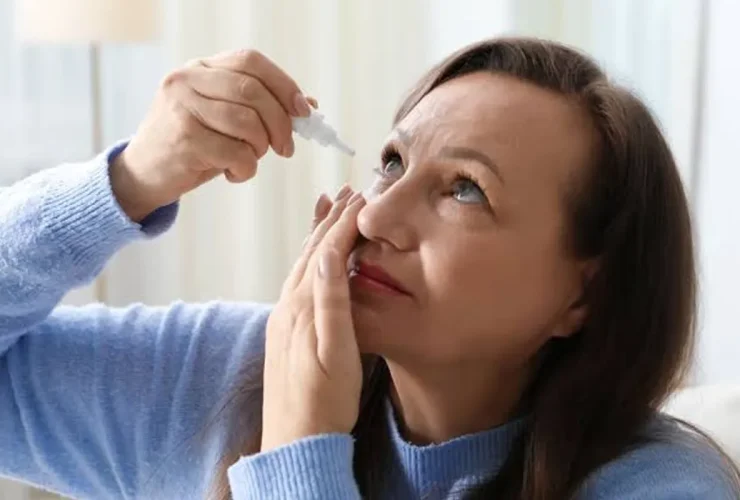
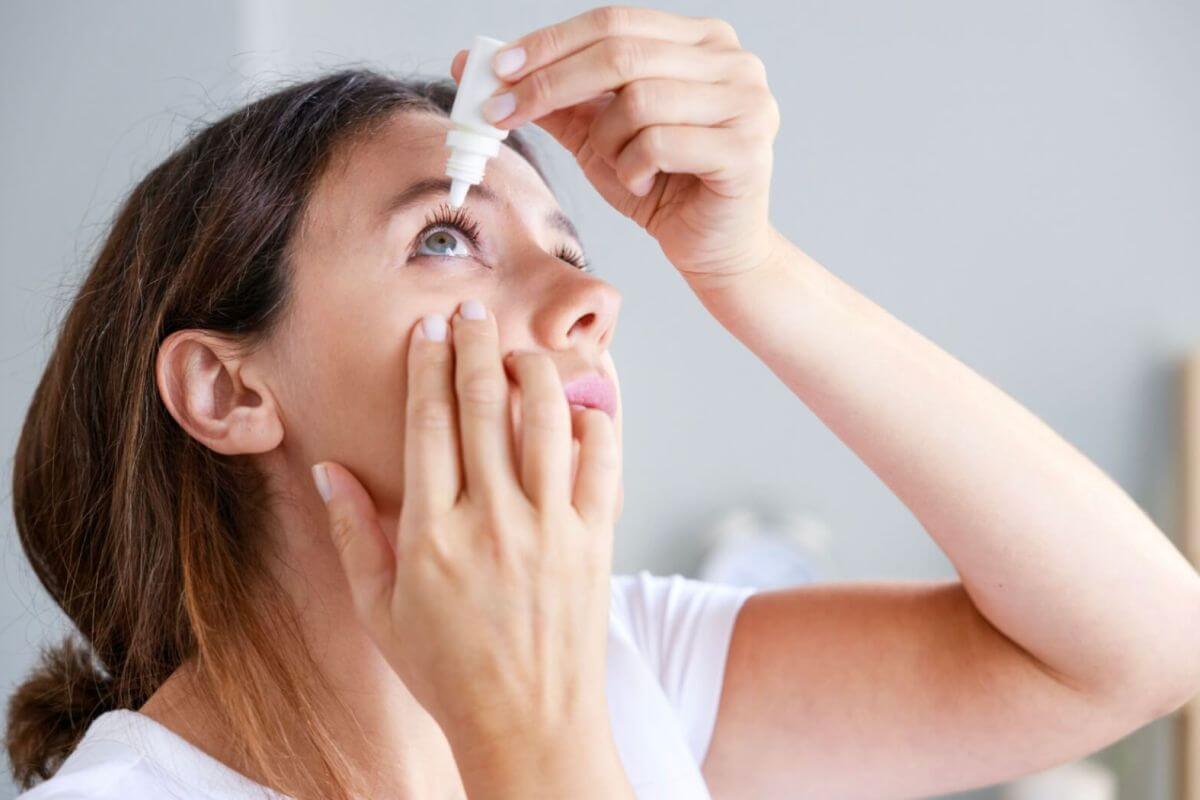
Lubricating eye drops remain a valuable part of most dry eye treatment plans. Preservative-free formulations are generally preferable for frequent use, and different products are designed to replace either the lipid or aqueous layer depending on your type of dry eye. Artificial tears manage symptoms well but do not correct the underlying gland dysfunction or inflammation driving severe cases.
Prescription Treatments
For dry eye linked to inflammation, a GP or ophthalmologist may prescribe anti-inflammatory drops or short courses of steroid drops under close supervision. These can be helpful during flare-ups but are typically used as part of a wider plan rather than as a standalone long-term solution.
Advanced Clinical Treatments
For meibomian gland dysfunction, which underlies most evaporative dry eye cases, in-practice treatments such as intense pulsed light therapy target the gland dysfunction directly rather than simply lubricating the surface. These advanced treatments are generally reserved for cases that have not responded adequately to drops and home care alone, following a confirmed diagnosis through digital dry eye assessment.
How IPL Treatment Helps Manage Dry Eye Disease
Intense pulsed light (IPL) therapy is one of the most significant developments in managing meibomian gland dysfunction over the past decade. It is a light-based treatment applied around the eye area, and it works by reducing inflammation and abnormal blood vessels along the eyelid margin while helping to improve the quality of the oil produced by the meibomian glands.
For patients with evaporative dry eye linked to gland dysfunction, IPL dry eye treatment can improve tear film stability, reduce lid margin redness and support more consistent, comfortable meibomian gland function over a course of sessions. It is typically delivered as a series of treatments rather than a single visit, with results building progressively.
IPL is not suitable for every patient or every type of dry eye. This is precisely why a confirmed diagnosis through digital mapping matters before starting treatment. At Robin Hall Opticians, IPL is only recommended once a Dry Eye Consultation with Digital Mapping has established that meibomian gland dysfunction is a significant factor in your symptoms, ensuring the treatment is genuinely appropriate for your eyes rather than applied as a blanket approach.
Why Personalised Dry Eye Treatment Plans Deliver Better Results
Chronic dry eyes rarely have a single cause. Most patients with severe dry eye disease have some combination of gland dysfunction, tear film instability, eyelid margin inflammation and environmental triggers, and the balance between these factors varies significantly from person to person.
A personalised dry eye treatment plan, built on objective data from digital dry eye mapping, allows your optometrist to prioritise the interventions that will make the biggest difference to you specifically. This might mean prioritising IPL and eyelid hygiene for gland-related evaporative dry eye, or prioritising tailored lubrication and further investigation for aqueous deficient dry eye.
This targeted approach is also why treatment for dry eyes should be reviewed and adjusted over time. Dry eye disease is a long-term condition to manage rather than a problem that is solved once and never revisited. Regular review appointments allow your plan to evolve as your ocular surface responds to treatment and as lifestyle factors change.
Practical Steps to Support Your Treatment
Alongside professional treatment, several everyday habits make a genuine difference to dry eye symptoms.
Screen Use and Blinking Habits
Concentrated screen work reduces your natural blink rate by a significant margin, which allows the tear film to break down more quickly. Deliberately taking regular breaks and consciously blinking fully, rather than partially, helps maintain a healthier tear film throughout the day.
Environmental Factors
Position screens below eye level to reduce how widely your eyes open, avoid direct airflow from fans, heaters or car vents into your eyes, and consider a humidifier in centrally heated or air-conditioned rooms.
Contact Lens Considerations
If lenses consistently worsen your symptoms, discuss lens material, wearing schedule and replacement frequency with your optometrist. In some cases, adjusting contact lens habits alongside treating the underlying dry eye disease allows more comfortable lens wear again.
Nutrition and Hydration
Adequate water intake supports tear production generally, and dietary omega-3 fatty acids, found in oily fish and certain supplements, have been associated with improved tear film quality in some studies. These measures support treatment but do not replace it in moderate to severe cases.
Eyelid Hygiene
Daily eyelid cleaning, using a warm compress followed by gentle lid margin cleansing, helps keep the meibomian gland openings clear and supports healthier oil flow. This is often recommended as an ongoing habit even after professional treatment such as IPL.
When Should You Book a Professional Dry Eye Consultation?
Booking a professional assessment is worthwhile if you experience any of the following:
- Dry eye symptoms lasting more than a few weeks
- Symptoms that no longer respond to over-the-counter artificial tears
- Eyes that feel gritty, sore or fatigued most days
- Red or inflamed eyelid margins
- Discomfort that interferes with screen work, driving or contact lens wear
- Previous dry eye diagnosis with symptoms that keep returning
Early, accurate diagnosis prevents months of trial and error with products that were never suited to your specific type of dry eye disease in the first place. A Dry Eye Consultation with Digital Mapping at Robin Hall Opticians gives you a clear, evidence-based starting point, using the Idra device to map your tear film and meibomian glands in detail before any treatment recommendation is made.
Frequently Asked Questions
What is the best treatment for extremely dry eyes?
The best treatment depends on the underlying cause, confirmed through proper assessment. For many patients with severe dry eye disease, this involves a combination of targeted meibomian gland treatment such as IPL, tailored artificial tears, eyelid hygiene and lifestyle adjustments, rather than any single product alone.
What is the difference between mild and severe dry eyes?
Mild dry eye tends to be occasional, mild and quickly relieved by standard lubricating drops. Severe dry eyes involve persistent discomfort, resistance to basic drops, and often visible signs such as eyelid margin inflammation or reduced tear film stability on assessment.
What is the difference between evaporative and aqueous deficient dry eye? Evaporative dry eye occurs when tears evaporate too quickly, most often due to meibomian gland dysfunction. Aqueous deficient dry eye occurs when the eyes do not produce enough of the watery component of tears. Many patients have a combination of both.
Can artificial tears cure severe dry eye disease?
Artificial tears relieve symptoms and support the tear film but do not correct underlying gland dysfunction or inflammation. They are a valuable part of most treatment plans but are rarely sufficient alone for chronic, severe cases.
How does IPL treatment help with dry eyes?
Intense pulsed light therapy targets meibomian gland dysfunction by reducing inflammation and abnormal blood vessels along the eyelid margin, helping to improve the quality of the oil the glands produce and supporting a more stable tear film over a course of sessions.
Is dry eye disease a long-term condition?
For many people, yes. Chronic dry eyes typically require ongoing management rather than a one-off fix, with periodic review to adjust treatment as symptoms and gland function change over time.
Can screen use cause extremely dry eyes?
Prolonged screen use reduces blink rate significantly, which allows the tear film to break down faster and worsens dry eye symptoms. Regular breaks and conscious full blinking help reduce this effect.
Do contact lenses make dry eyes worse?
Extended contact lens wear can disrupt the tear film and is a common contributing factor in dry eye symptoms. Adjusting lens type, wearing schedule or replacement frequency alongside treating the underlying dry eye disease often improves comfort.
How is severe dry eye diagnosed accurately?
Accurate diagnosis combines a detailed symptom history with digital dry eye assessment, such as the Idra device used at Robin Hall Opticians, which measures lipid layer thickness, tear meniscus height, tear film stability and meibomian gland structure objectively.
When should I see an optometrist about dry eyes?
Book an assessment if symptoms last more than a few weeks, no longer respond to over-the-counter drops, or involve persistent grittiness, redness or discomfort that affects daily activities such as screen work or contact lens wear.
Read also: IPL Dry Eye Treatment Session Step-by-Step Guide
Conclusion
There is no shortcut to answering what is the best treatment for extremely dry eyes without first understanding what is actually causing them. Chronic dry eyes rarely improve with guesswork, and the most effective, lasting relief comes from an accurate diagnosis followed by a personalised treatment plan built around your specific tear film and meibomian gland health.
Robin Hall Opticians offers a comprehensive Dry Eye Consultation with Digital Mapping, using advanced Idra technology to assess your tear film and meibomian glands in detail before recommending treatment, including IPL where appropriate. If extremely dry eyes are affecting your daily comfort, book your Dry Eye Consultation with Digital Mapping and take the first step towards a treatment plan built around your eyes, not guesswork.
“The information provided is for general informational purposes only and does not constitute advice. While we strive to ensure the information is accurate and up-to-date, we make no representations or warranties of any kind, express or implied, regarding the accuracy, adequacy, validity, or completeness of any information on this site.”