
Symptoms That Mean IPL Therapy Could Help Your Dry Eyes
Gritty, stinging, red eyes that never seem to settle down are more than an inconvenience. For many patients across Manchester, persistent dry eye symptoms interfere with reading, screen work, driving, and simply getting through the day without reaching for eye drops every hour. If this sounds familiar, you are not alone, and you are not without options.
At Robin Hall Opticians, we see patients every week who have tried drop after drop with little lasting relief. In many cases, the drops manage the symptoms for an hour or two, but the underlying cause is never addressed. This is where IPL dry eye treatment has changed the outlook for so many of our patients. Rather than simply lubricating the eye, this light-based therapy targets one of the most common root causes of dry eye disease directly.
Dry eye disease rarely announces itself as a single, obvious problem. It tends to build gradually, showing up first as mild irritation after a long day at a screen, then as recurring redness, then as a level of discomfort that starts to affect concentration, sleep, and confidence in social situations. Patients often describe feeling like their eyes are working against them rather than for them, and many have quietly adjusted their daily routines around the discomfort long before seeking help.
This article explains the symptoms that commonly indicate IPL therapy could help, how the treatment works, what an assessment at Robin Hall Opticians involves, and what you can realistically expect before booking a dry eye consultation. Our aim is to give you clear, medically grounded information so you can recognise your own symptoms and understand whether professional dry eye treatment in Manchester is the right next step for you.
What Are the Common Symptoms of Dry Eyes?
Dry eye disease does not always present the way people expect. Many patients assume dry eyes simply feel dry, but the condition often shows up as a cluster of symptoms that can be mistaken for allergies, tiredness, or general eye strain. Recognising the full range of dry eye symptoms is the first step toward getting the right treatment.
Common dry eye symptoms include:
- A persistent gritty or sandy sensation, as though something is caught in the eye
- Burning or stinging, particularly later in the day
- Redness across the white of the eye or along the eyelid margins
- Watery eyes that seem to overproduce tears in response to irritation
- Blurred vision that improves temporarily after blinking
- Sensitivity to light, wind, or air conditioning
- Difficulty wearing contact lenses for as long as you used to
- Eyes that feel tired or heavy, especially after screen use
- Crusting or flaking around the eyelashes on waking
- A sensation of heaviness or discomfort that worsens as the day goes on
One symptom that surprises many patients is watering. It seems counterintuitive that an eye lacking moisture would water excessively, but this is actually one of the eye’s own compensatory responses. When the tear film is unstable or poor in quality, the eye becomes irritated, and the lacrimal gland responds by producing a flood of watery tears in an attempt to soothe the surface. Unfortunately, these reflex tears lack the oily layer needed for lasting comfort, so the watering rarely solves the underlying dryness.
Dry eye symptoms also tend to fluctuate throughout the day. Many patients report that their eyes feel reasonably comfortable in the morning but become progressively more irritated by the afternoon or evening, particularly after long periods of screen work, driving, or exposure to air conditioning or wind. This pattern is a strong clue that the tear film is breaking down faster than it should, which is often linked to a deficiency in the oily layer produced by the meibomian glands.
If you experience two or more of these symptoms on a regular basis, it is worth having your eyes properly assessed rather than continuing to manage symptoms with over-the-counter drops alone. A professional dry eye consultation identifies exactly what is happening at the surface of your eye and which treatment approach, including intense pulsed light therapy, is most likely to bring lasting improvement.
What Causes Chronic Dry Eyes? The Meibomian Gland Connection
Understanding what causes chronic dry eyes helps explain why some treatments work better than others. Dry eye disease is generally divided into two broad categories: aqueous deficient dry eye, where the eye does not produce enough watery tears, and evaporative dry eye, where tears evaporate too quickly because the oily layer that should protect them is inadequate. In the majority of patients we see, evaporative dry eye is the dominant issue, and the meibomian glands are at the centre of it.
The meibomian glands are small oil-producing glands located along the edge of the eyelids. Every time you blink, these glands release a thin layer of oil, known as meibum, onto the surface of the tear film. This oily layer sits on top of the watery layer of the tear film and slows down evaporation, keeping the eye lubricated between blinks. When the meibomian glands become blocked, inflamed, or structurally damaged, they stop producing enough oil, or the oil they produce becomes thick and difficult to release. This condition is known as meibomian gland dysfunction, commonly abbreviated as MGD.
Meibomian gland dysfunction is now recognised as the leading cause of dry eye disease, accounting for the vast majority of cases seen in clinical practice. Without sufficient oil to stabilise the tear film, tears evaporate far more quickly than they should, leaving the eye’s surface exposed, dry, and prone to inflammation. This inflammation can then further damage the meibomian glands, creating a cycle where the condition gradually worsens if left untreated.
Several factors contribute to the development of meibomian gland dysfunction and chronic dry eye, including:
- Age, as gland function naturally declines over time
- Prolonged screen use, which reduces blink rate and blink completeness
- Contact lens wear over extended periods
- Hormonal changes, particularly around menopause
- Certain medications, including antihistamines and some blood pressure treatments
- Environmental factors such as air conditioning, central heating, and wind
- Underlying skin conditions like rosacea or blepharitis
- Eyelid inflammation and bacterial overgrowth along the lash line
It helps to think of meibomian gland dysfunction as a slow-building cycle rather than a single event. Early on, the glands may only be mildly affected, producing slightly thicker oil that is still workable with regular blinking. Left unaddressed, the oil continues to thicken, making it harder for the glands to release their contents naturally. This build-up leads to gland blockage, which in turn causes localised inflammation along the eyelid margin. That inflammation then damages the delicate gland structure further, reducing its capacity to produce healthy oil in the future. Over months and years, glands that are not producing oil efficiently can begin to shrink or drop out entirely, a change that can be seen directly through meibography imaging during a dry eye consultation.
This is why early intervention tends to produce better long-term outcomes. The earlier meibomian gland dysfunction is identified and treated, the more functional gland tissue remains to respond to treatment. Patients who wait years before seeking help, often after cycling through multiple over-the-counter drops with limited success, may still benefit significantly from IPL therapy, but addressing the condition sooner generally supports a better overall response.
Because meibomian gland dysfunction is a structural and inflammatory issue rather than a simple lack of moisture, artificial tears alone rarely resolve it. Lubricating drops can ease symptoms temporarily, but they do not restore normal gland function or interrupt the inflammatory cycle driving the condition. This is precisely why Meibomian gland dysfunction treatment has evolved to include more targeted options, and why IPL treatment for Meibomian gland dysfunction has become such a significant advancement in dry eye care.
Symptoms That Mean IPL Therapy Could Help Your Dry Eyes
Not every case of dry eye responds equally well to every treatment, which is why a professional assessment matters so much. That said, there are specific symptom patterns that consistently point toward meibomian gland dysfunction as the underlying cause, and these are the patients most likely to benefit from IPL therapy for dry eyes.
You may be a strong candidate for IPL therapy for dry eyes if you notice any of the following:
Symptoms that worsen throughout the day. If your eyes feel relatively comfortable when you wake up but become increasingly irritated, gritty, or tired as the hours pass, this points to poor tear film stability rather than a simple lack of tear volume. Evaporative dry eye caused by MGD typically follows this pattern.
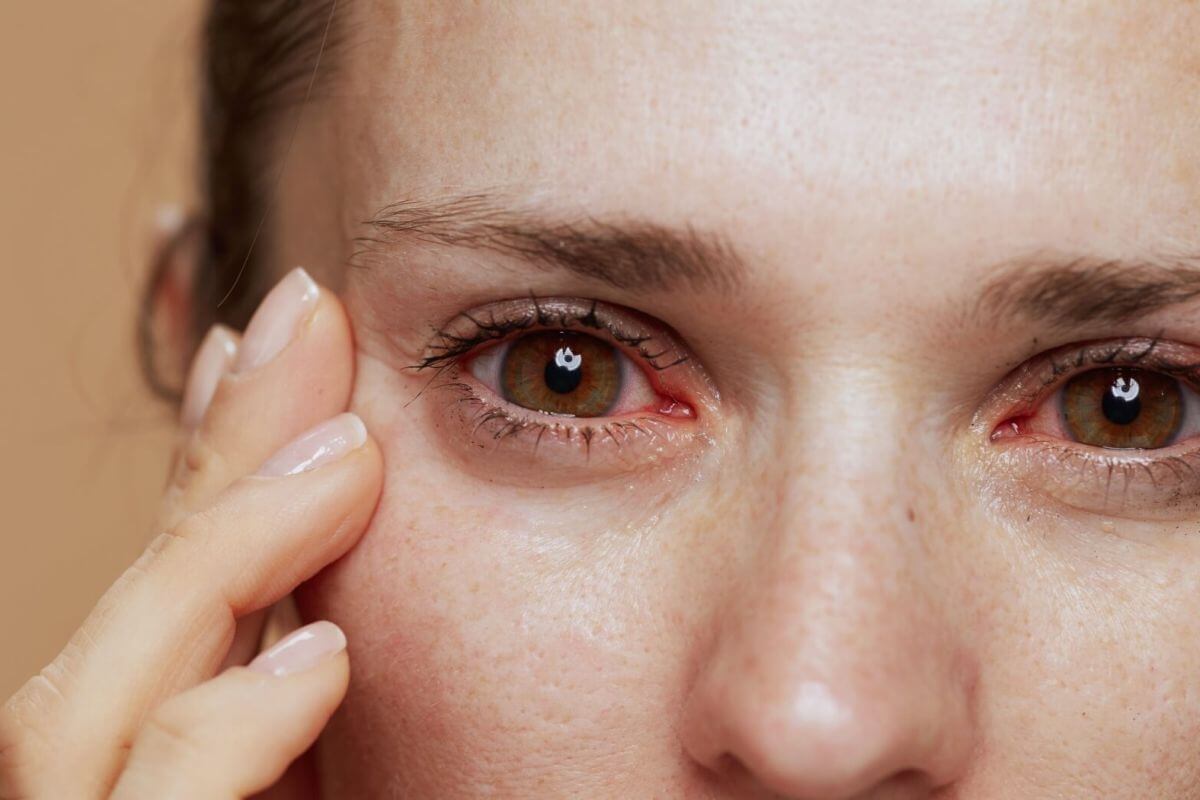
Visible redness along the eyelid margins. Inflamed, reddened lid edges, sometimes with small crusts or debris at the base of the eyelashes, are a hallmark sign of meibomian gland dysfunction and associated blepharitis. This is different from generalised eye redness and often requires a closer look at the eyelid structure itself.
Eyes that feel dry despite frequent use of eye drops. If you find yourself using lubricating drops multiple times a day with only brief relief, this suggests that the drops are addressing the symptom rather than the cause. Restoring meibomian gland function through IPL therapy can reduce the underlying need for constant lubrication.
Contact lens intolerance that has developed or worsened. Many long-term contact lens wearers notice a gradual decline in comfort over the years. This is frequently linked to reduced meibomian gland output, since a compromised tear film makes it harder for the eye to tolerate a lens surface for extended periods.
A history of styes, chalazia, or recurrent eyelid inflammation. Recurrent lid margin problems are often connected to blocked or dysfunctional meibomian glands, and addressing the underlying gland health can reduce how often these episodes occur.
Fluctuating or blurry vision that clears with blinking. When the tear film is unstable, vision can appear smeared or blurred until a blink temporarily smooths the surface again. This fluctuation, rather than a fixed prescription change, is a classic evaporative dry eye symptom.
Visible facial redness, flushing, or rosacea. There is a well-documented link between skin conditions like rosacea and meibomian gland dysfunction. Patients with facial redness or broken capillaries around the cheeks and nose often have a corresponding inflammatory pattern affecting the eyelids.
Symptoms that have not improved with warm compresses or lid hygiene alone. Warm compresses and eyelid cleaning are a sensible first step for mild MGD, but when symptoms persist despite consistent home care, this suggests the glands need more targeted intervention to reduce inflammation and restore function.
If several of these symptoms sound familiar, it is a strong signal that your dry eye is being driven by meibomian gland dysfunction, and that IPL therapy for dry eyes could be an appropriate option. The only way to confirm this with certainty is through a professional dry eye consultation, where your tear film and gland structure can be properly examined before any treatment recommendation is made.
What Is IPL Dry Eye Treatment and How Does It Work?
Intense pulsed light therapy, delivered at Robin Hall Opticians using the OptiLIGHT system, is a light-based treatment specifically designed to address the inflammation associated with meibomian gland dysfunction. Rather than treating the eye’s surface directly, IPL dry eye treatment is applied to the skin beneath the eyes, where it uses precise pulses of broad-spectrum light to target the underlying inflammatory processes contributing to dry eye disease.
OptiLIGHT uses patented OPT technology, which stands for optimised pulse technology. This allows the light energy to be delivered in a controlled, gentle manner that reaches the delicate skin around the eyes safely and effectively. The treatment was developed specifically with the eye area in mind, which sets it apart from general-purpose light therapy devices not designed for this level of precision.
The way IPL therapy works is closely tied to how meibomian gland dysfunction develops. Chronic inflammation around the eyelids contributes to blocked glands, abnormal blood vessel growth near the lid margin, and thickened meibum that is difficult for the glands to release. The light pulses used in IPL therapy help to calm this inflammatory activity and reduce the abnormal vascular patterns that perpetuate the cycle. As inflammation reduces, the meibomian glands are better able to function, producing oil that is thinner and easier to release with each blink.
This is a meaningful distinction from many traditional dry eye treatments. Artificial tears, ointments, and gels manage symptoms temporarily but do not change the health of the meibomian glands. IPL therapy for dry eyes, by contrast, works on the underlying inflammatory cause, which is why patients often experience improvements that last well beyond the treatment session itself.
At Robin Hall Opticians, IPL treatment for Meibomian gland dysfunction is typically combined with other supportive measures for the best overall outcome. This may include meibomian gland expression to physically clear blocked glands, artificial tear lubricants to support comfort during the treatment course, and warm compress therapy to help maintain gland function between sessions. This combined approach reflects current thinking in advanced dry eye treatment, where addressing inflammation, gland blockage, and tear film stability together produces more consistent results than relying on any single method alone.
Who Is Suitable for IPL Therapy for Dry Eyes?
Suitability for IPL therapy for dry eyes depends on several factors, which is why a professional assessment always comes before any treatment recommendation at Robin Hall Opticians. Broadly speaking, patients most likely to benefit are those whose dry eye symptoms stem from meibomian gland dysfunction rather than other causes, such as significant aqueous deficiency alone.
At Robin Hall Opticians, IPL therapy is intended for patients aged 22 and over. This age guideline reflects the way the treatment is licensed and researched, ensuring it is used within an evidence-based framework for the eyelid and periocular skin.
Several factors are taken into account during your assessment, including your skin tone, the pattern and severity of your dry eye symptoms, your general eye health history, and whether you have any conditions that might affect suitability. Because IPL uses light-based energy, certain skin types, active skin conditions in the treatment area, or a recent history of specific medications may need to be discussed with your practitioner before proceeding. This is precisely why professional assessment matters so much. It is not appropriate, or safe, to assume suitability without a qualified practitioner examining your individual circumstances first.
This is also where digital tear film mapping plays an important role. Before starting a course of IPL treatment, we recommend a dedicated dry eye consultation using our IDRA diagnostic device. This technology allows us to assess your tear film in detail, including lipid layer thickness, tear meniscus height, non-invasive tear break-up time, and meibomian gland structure through meibography imaging. It can also help detect blepharitis and demodex, both of which commonly contribute to chronic eyelid inflammation.
This level of diagnostic detail means we are not guessing at the cause of your symptoms. We can see, in a matter of seconds, how your lipid layer behaves, whether your meibomian glands show signs of dropout or structural change, and how quickly your tear film is breaking down. This evidence-based approach allows our team to explain, clearly and visually, why IPL therapy may or may not be the most suitable option for your particular presentation, and it allows us to track your progress objectively as treatment continues.
It is worth noting that IPL therapy is not typically offered as a first-line treatment without any prior assessment. Because it works by targeting inflammation linked to meibomian gland dysfunction specifically, it is not the most effective option for patients whose dry eye stems mainly from other causes, such as significant aqueous deficiency unrelated to gland health, or certain autoimmune conditions affecting tear production. This is precisely why an accurate diagnosis matters more than jumping straight to a particular treatment. A thorough dry eye consultation allows your practitioner to rule out other contributing factors, confirm the role of meibomian gland dysfunction, and set realistic expectations for how much improvement you are likely to see.
If your symptoms point toward evaporative dry eye linked to meibomian gland dysfunction, and your assessment confirms this, IPL therapy for dry eyes is often recommended as part of a wider treatment plan tailored to your needs.
What Should You Expect Before, During, and After IPL Dry Eye Treatment?
Knowing what to expect helps most patients feel more confident about starting treatment. Here is a clear breakdown of the process at Robin Hall Opticians, from your first consultation through to your final session.
Before treatment
Your journey begins with a dry eye consultation, where our team uses digital mapping to assess your tear film and meibomian gland health in detail. This assessment confirms whether meibomian gland dysfunction is contributing to your symptoms and whether IPL therapy is a suitable option for you. We will also discuss your medical history, current medications, and any relevant skin conditions to ensure treatment is appropriate and safe.
During treatment
Each IPL session is quick and straightforward, usually taking around 10 to 15 minutes. Protective shields are placed over your eyes to keep them safe throughout the session, and a thin layer of coupling gel is applied to the treatment area on the skin beneath the eyes. Your practitioner then applies controlled pulses of light to this area. Most patients describe the sensation as a mild warmth, similar to a light snap against the skin, and the treatment is generally well tolerated with minimal discomfort.
A full course typically consists of four sessions, spaced two to four weeks apart. This spacing allows the meibomian glands time to respond to each session before the next round of treatment, gradually building on the improvements achieved.
After treatment
There is no downtime associated with IPL therapy for dry eyes. Most patients return to their normal daily activities immediately, and makeup can usually be applied straight after the session in most cases. Some mild redness may appear on the treated skin, but this typically settles within a few hours. We advise patients to avoid direct sun exposure on the treated area for a few days following each session and to apply sunscreen to protect the skin.
Many patients notice an improvement in their symptoms after their second or third session, though the full course of four sessions is recommended to achieve the best overall results. Because meibomian gland dysfunction is a chronic condition that can recur over time, we generally recommend a maintenance session every six to twelve months to help sustain the improvements achieved during your initial course.
Throughout your treatment course, your practitioner will continue to monitor your progress, adjusting supportive measures such as meibomian gland expression or lubricant use as needed to support your overall comfort and tear film health.
Why Choose Robin Hall Opticians for Dry Eye Treatment in Manchester?
Finding a dry eye specialist in Manchester who takes a genuinely thorough, evidence-based approach makes a real difference to your treatment outcome. At Robin Hall Opticians, based in Walkden, Worsley, our approach to dry eye treatment Manchester patients trust begins with proper diagnosis rather than guesswork.
We use IDRA digital tear film mapping to understand exactly what is happening on the surface of your eye before recommending any treatment. This means our recommendations, including whether intense pulsed light therapy is suitable for you, are based on clear diagnostic evidence rather than symptoms alone. Our dry eye consultation with digital mapping gives you a detailed overview of your lipid layer, tear meniscus, meibomian gland structure, and any signs of blepharitis or ocular surface inflammation, so you understand exactly why a particular treatment path is being recommended.
Our team combines this diagnostic precision with a personalised approach to care. No two patients present with exactly the same combination of symptoms, gland health, and contributing factors, so treatment plans are tailored accordingly. For patients whose assessment points toward meibomian gland dysfunction, IPL therapy is offered alongside supportive treatments such as gland expression, warm compress guidance, and appropriate lubricant recommendations, giving you a rounded plan rather than a single isolated treatment.
Patients travelling from across Greater Manchester choose Robin Hall Opticians because we treat dry eye disease as the chronic, manageable condition it is, rather than a one-off problem to be solved with a single product. Our ongoing support continues well beyond your initial course of treatment, with maintenance guidance to help protect your results over the months and years ahead.
As a dry eye specialist Manchester patients can access without travelling into the city centre, our practice at 3 Bridgewater Road in Walkden, Worsley, offers a comfortable, unhurried environment for what can otherwise feel like a frustrating and drawn-out search for answers. Many of our dry eye patients have already tried multiple over-the-counter products before booking a consultation with us, and one of the most valuable parts of the process is simply being able to see, through digital imaging, exactly what is happening to their own tear film and eyelid glands. This visual explanation often brings clarity after months, or sometimes years, of uncertainty about why symptoms have persisted despite consistent effort to manage them.
We also recognise that every patient’s daily life is different. Someone who spends most of their working day in front of a screen has different risk factors and triggers compared with someone who wears contact lenses for sport or works outdoors in variable weather. Our assessments take these individual circumstances into account, so the advice and treatment plan you receive reflects your actual lifestyle rather than a generic recommendation.
Long-Term Strategies for Eye Comfort Between Treatments
IPL therapy for dry eyes works best as part of an ongoing approach to eye health rather than a single isolated fix. Meibomian gland dysfunction is a chronic condition, and while a course of treatment can significantly calm inflammation and restore healthier gland function, certain daily habits help protect those results over the months that follow.
Prioritise consistent blinking during screen use. Long periods of screen focus reduce both blink rate and blink completeness, allowing tears to evaporate faster than they can be replenished. Taking short breaks every twenty minutes and consciously performing a few full, deliberate blinks helps redistribute the tear film and supports meibomian gland expression naturally through the blinking action itself.
Maintain eyelid hygiene. Gently cleaning the eyelid margins on a regular basis helps reduce bacterial overgrowth and debris that can contribute to blepharitis and gland blockage. Your practitioner can recommend a suitable eyelid cleansing routine based on your specific assessment findings.
Use warm compresses as advised. Applying gentle warmth to the closed eyelids helps soften thickened meibum, making it easier for the glands to release oil naturally. This is often recommended as a supportive habit alongside IPL therapy rather than a replacement for it.
Stay mindful of your environment. Air conditioning, central heating, and windy conditions all increase tear evaporation. Where possible, positioning yourself away from direct airflow, and using a humidifier in dry indoor environments, can reduce the evaporative burden on your eyes.
Support your diet and hydration. While diet alone will not resolve meibomian gland dysfunction, adequate hydration and a diet that includes omega-3 fatty acids are commonly associated with healthier tear film quality and are a sensible addition to a broader dry eye management plan.
Review contact lens habits. If you wear contact lenses and notice increasing discomfort, reducing daily wear time, choosing lens materials better suited to dry eyes, or taking scheduled lens-free days can ease the strain on an already compromised tear film.
Attend maintenance sessions as recommended. Because meibomian gland dysfunction can gradually recur, a maintenance IPL session every six to twelve months helps sustain the improvements achieved during your initial course of treatment, keeping inflammation under control before symptoms have a chance to return in full.
None of these habits replace the need for professional treatment when meibomian gland dysfunction is already established, but together they form a sensible framework for protecting your results and supporting long-term eye comfort.
Modern Developments in Dry Eye Management
Dry eye management has changed considerably over the past decade. Where treatment once relied almost entirely on lubricating drops and general advice to use a warm flannel, current approaches increasingly focus on identifying the precise mechanism behind each patient’s symptoms and treating that mechanism directly.
Digital tear film mapping, of the kind used in our dry eye consultation with the IDRA device, reflects this shift toward precision diagnostics. Instead of relying solely on a patient’s description of their symptoms, practitioners can now measure lipid layer thickness, tear break-up time, and meibomian gland structure objectively. This allows treatment decisions, including whether IPL therapy for dry eyes is appropriate, to be based on measurable clinical findings rather than assumption.
Light-based therapy itself represents one of the more significant developments in this field. Because a large proportion of dry eye cases stem from meibomian gland dysfunction rather than simple tear volume deficiency, treatments that address inflammation and gland function directly, rather than only replacing lost moisture, have become an increasingly central part of advanced dry eye treatment protocols.
There has also been a broader shift toward combination treatment plans. Rather than offering a single product or procedure, current best practice generally involves pairing in-clinic treatments such as IPL therapy with supportive home care, including lid hygiene, warm compress routines, and targeted lubricant use. This combined approach reflects a growing understanding that chronic dry eye disease responds better to a rounded management plan than to any single intervention used in isolation.
At Robin Hall Opticians, we keep our diagnostic equipment and treatment protocols aligned with this evolving evidence base, so that patients receive care that reflects current understanding of dry eye disease rather than outdated, symptom-only approaches.
Frequently Asked Questions About IPL Dry Eye Treatment
What are the symptoms of dry eyes?
The most common dry eye symptoms include grittiness, burning, redness, watering, blurred vision that clears with blinking, light sensitivity, and eyelid crusting on waking. Symptoms often worsen through the day, particularly after screen use.
Can IPL therapy help dry eyes?
For patients whose dry eye is driven by meibomian gland dysfunction, IPL therapy can help by reducing the inflammation that contributes to blocked and poorly functioning glands. A professional assessment confirms whether this mechanism is behind your symptoms before treatment is recommended.
Who is suitable for IPL therapy for dry eyes?
Patients aged 22 and over whose dry eye symptoms are linked to meibomian gland dysfunction are generally considered suitable candidates. Suitability also depends on skin type, general eye health, and findings from a dry eye consultation, so an individual assessment is always required.
How does IPL treatment improve dry eye symptoms?
IPL treatment targets inflammation and abnormal blood vessel activity around the eyelids, which helps restore healthier meibomian gland function. As gland function improves, the eye produces a more stable oily layer, reducing tear evaporation and easing dry eye symptoms.
What causes chronic dry eyes?
Chronic dry eyes are most commonly caused by meibomian gland dysfunction, which disrupts the oily layer of the tear film and allows tears to evaporate too quickly. Contributing factors include age, screen use, contact lens wear, hormonal changes, certain medications, and environmental conditions.
Is IPL therapy effective for Meibomian gland dysfunction?
IPL treatment for Meibomian gland dysfunction is specifically designed to address the inflammation underlying this condition, which is the leading cause of dry eye disease. Many patients notice improvement from the second or third session, with a full course of four sessions recommended for the best results.
Where can I get dry eye treatment in Manchester?
Robin Hall Opticians, based in Walkden, Worsley, offers dry eye consultations with digital tear film mapping alongside IPL therapy for patients across Manchester and the surrounding areas.
How long does IPL therapy for dry eyes take?
Each IPL session takes around 10 to 15 minutes. A full course typically consists of four sessions spaced two to four weeks apart, with a maintenance session recommended every six to twelve months.
What should I expect after IPL eye treatment?
There is no downtime after IPL treatment. Some mild redness may appear on the treated skin but usually settles within a few hours. Most patients can apply makeup and return to normal activities straight away, while avoiding direct sun exposure on the treated area for a few days.
Can IPL reduce dry eye discomfort?
For patients with meibomian gland dysfunction, IPL therapy can meaningfully reduce dry eye discomfort by addressing the inflammatory cause of the condition rather than only masking symptoms temporarily, as lubricating drops alone tend to do.
Taking the Next Step Toward Lasting Eye Comfort
Persistent dry eye symptoms are not something you need to accept as a permanent part of daily life. Gritty, burning, red, or watery eyes that worsen through the day, alongside eyelid redness or crusting, frequently point toward meibomian gland dysfunction, a condition that responds well to targeted treatment rather than temporary symptom relief. Recognising these symptom patterns is the first step. Confirming the cause through professional assessment is the next.
IPL dry eye treatment has given many of our patients meaningful, lasting relief by addressing the inflammation at the root of their condition rather than simply masking discomfort for a few hours at a time. Combined with accurate digital tear film mapping and a personalised treatment plan, it represents one of the more advanced dry eye treatment options available to patients today.
If the symptoms described in this article sound familiar, we encourage you to book a professional dry eye consultation with our team at Robin Hall Opticians. We will assess your tear film, examine your meibomian gland health, and explain clearly whether this treatment is the right option to help restore lasting comfort to your eyes. Contact Robin Hall Opticians today on 0161 790 2000 or book an appointment online to take the first step toward understanding and treating your dry eye symptoms properly.