
How Screen Time is Affecting Your Vision in 2026
You wake up, check your phone, head to work or school with screens everywhere, and unwind in the evening with more screens. In 2026, the average adult logs over ten hours a day staring at digital devices. A new generation born in 2025 faces a lifetime total of twenty-one years in front of screens. That adds up fast, and your eyes pay the price. At Robin Hall Opticians, we treat patients every week who feel the strain from modern routines. This article breaks down exactly how screen time affects your vision right now, shares clear symptoms to watch for, and gives you straightforward steps to protect your eyes. You finish reading with practical changes you can make today.
The Rise of Screen Time in 2026 and Its Effect on Your Eyes
Screen use keeps climbing. Remote work, online learning, and constant connectivity mean most people spend far more time on devices than they did even five years ago. Reports show this daily exposure hits record levels, with many adults exceeding ten hours and children averaging seven to nine hours of recreational screen time. Your eyes did not evolve for this constant near-focus work. They work best when you shift your gaze between near and far objects, but screens lock your focus at a fixed distance for hours.
This overuse creates real fatigue. Eye muscles stay contracted, and the visual system stays under constant demand. The result shows up as temporary discomfort that builds if you ignore it. At Robin Hall Opticians, our eye opticians notice these patterns in patients across all ages. The good news is that you control many factors. Small adjustments to habits reduce the load on your eyes and keep your vision comfortable for years ahead.
Common Symptoms of Digital Eye Strain You Experience Daily
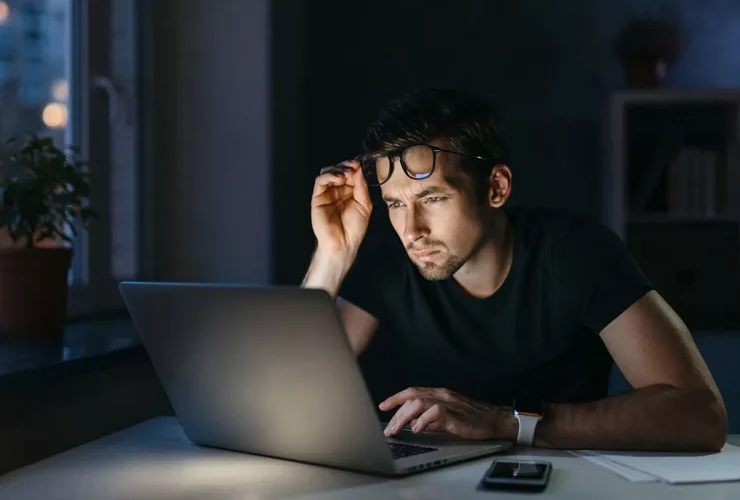
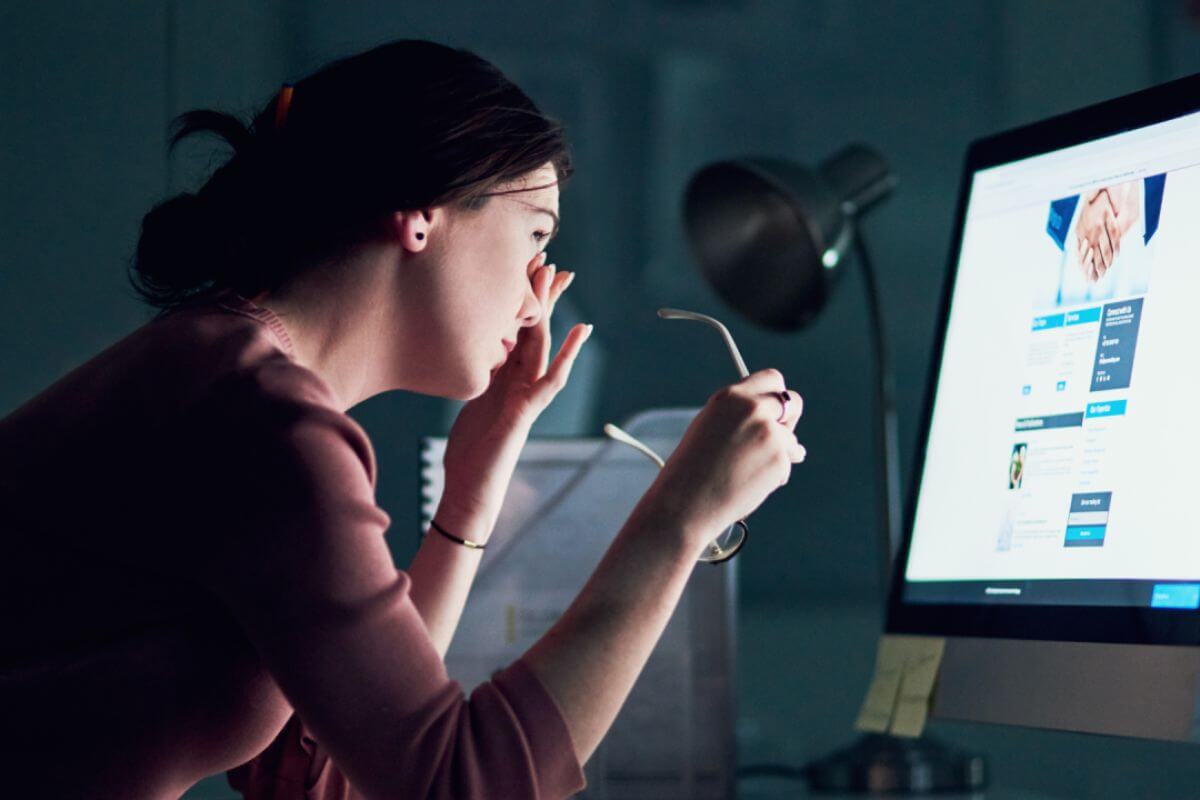
Digital eye strain hits hard and often. Up to ninety percent of heavy screen users report symptoms. You probably recognise some already: tired or burning eyes, blurred vision that clears when you look away, headaches that start behind the eyes, and neck or shoulder pain from leaning forward.
These issues appear because your eyes focus on pixels that constantly refresh and demand sharp attention. Unlike printed text, screens add glare and flicker that force extra effort. You might also notice sensitivity to light after long sessions or difficulty switching focus from the screen to distant objects. Children show similar signs but express them differently, such as rubbing their eyes or complaining of tired eyes during homework.
The symptoms usually fade once you step away from devices, but repeated daily exposure turns temporary irritation into a regular problem. You act early when you spot these signs. Simple awareness helps you break the cycle before strain affects your work, study, or enjoyment of daily life.
Why Screens Make Your Eyes Dry and Irritated
You blink fifteen to twenty times per minute during normal activities. When you stare at a screen, that rate drops to about five to seven blinks per minute. Your tear film evaporates faster than it replenishes, so eyes feel dry, gritty, or watery as the body tries to compensate. Air-conditioned rooms, heaters, or fans make the problem worse by speeding up evaporation.
Contact users notice the effect even sooner because lenses sit directly on the eye surface and absorb moisture. Poor room lighting or screens that are too bright or too dim add extra strain. You sit closer than ideal to laptops or phones, which increases the workload and reduces blink frequency further.
Artificial tears help in the short term, but the real fix comes from conscious blinking and better screen habits. You train yourself to blink fully every few seconds during focused work. This small action keeps your eyes lubricated and comfortable without interrupting your flow.
How Increased Screen Time Contributes to Myopia
Myopia, or nearsightedness, affects more people than ever before. Research links each extra hour of daily screen time to a twenty-one percent higher risk of developing myopia. The risk climbs sharply between one and four hours of exposure per day, then levels off. Children and young adults face the biggest impact because their eyes still grow and adapt to visual demands.
Near work on screens encourages the eyeball to elongate slightly over time, which shifts focus so that distant objects appear blurry. Less time spent outdoors compounds the issue. Natural daylight and distance viewing help regulate eye growth in children. When screens replace outdoor play, myopia rates rise quickly.
Adults who already wear glasses for myopia often see faster progression if screen time stays high without breaks. The pattern holds across studies from different countries. You slow or prevent further changes when you balance screen time with regular outdoor activity and proper visual habits. Early detection through routine checks makes a real difference.
What Science Says About Blue Light from Devices
Blue light surrounds you every day. Screens emit it, but so does sunlight, and in much higher amounts. Leading ophthalmology sources confirm that blue light from computers and phones does not cause permanent retinal damage or eye disease. Laboratory studies that raised concerns used intense, single-wavelength light on cells or animals under conditions nothing like real screen use.
What blue light does affect is your sleep cycle. Evening exposure suppresses melatonin, so you fall asleep later and wake less refreshed. You feel eye fatigue more when sleep quality drops. Night mode settings on devices shift colours to warmer tones and cut blue light output after sunset. You also dim screens and avoid devices one to two hours before bed.
Blue-light blocking glasses or special coatings do not prevent eye damage because no damage occurs from typical screen levels. You gain more benefit from proper ergonomics, regular breaks, and good sleep hygiene than from any filter marketed for blue light alone.
Practical Ways to Protect Your Vision from Screen Damage
You reduce strain with proven habits that fit easily into your day. Follow the 20-20-20 rule: every twenty minutes, look at something twenty feet away for twenty seconds. This simple pause relaxes the focusing muscles and encourages natural blinking.
Position your screen at arm’s length, about twenty-five inches away, and slightly below eye level so you look down a little. Adjust brightness and contrast to match room lighting, and cut glare with matte screen filters or repositioning. Take full breaks every hour to stand, stretch, and walk around.
Spend time outdoors daily, especially with children. Natural light and distance viewing support healthy eye development and reduce myopia risk. Use artificial tears when your eyes feel dry, and choose glasses over contacts for long screen sessions if you wear both.
Set device limits for kids and create screen-free zones in bedrooms or during meals. These changes add up quickly and keep eyes working comfortably even as screen time stays part of modern life.
The Importance of Professional Eye Care in Managing Screen Time Effects
Regular eye exams catch changes early and let you address strain before it becomes a bigger issue. Our professional eye opticians at Robin Hall Opticians assess not only your prescription but also how your eyes handle prolonged near work. We recommend custom solutions such as computer glasses with specific tints or coatings tailored to your setup, plus personalised advice on ergonomics.
You leave an appointment with a clear plan that fits your lifestyle and work demands. Professional guidance beats guesswork every time, especially when symptoms persist despite your best efforts at home. In 2026, with screen use at all-time highs, proactive care keeps your vision sharp and comfortable for the long term.
Screen time forms a normal part of life in 2026, but you control how it affects your eyes. You recognise symptoms, apply simple breaks and habits, balance indoor and outdoor time, and schedule regular check-ups. These steps protect your vision and help you enjoy technology without the downside.
Ready to put these tips into action and check how your eyes handle today’s demands? Book your comprehensive eye exam at Robin Hall Opticians. Our friendly team looks forward to helping you see clearly and comfortably for years ahead. Your eyes work hard every day—give them the care they deserve.