

The Hidden Health Conditions Your Eye Exam Can Reveal
When you book an Eye Examination, you probably expect to find out if you need a new pair of glasses or if your contact lens prescription has changed. While achieving 20/20 vision is a great goal, a comprehensive check-up at Robin Hall Opticians does so much more than measure your sight. Your eyes are the only place in the human body where a specialist can see your blood vessels, nerves, and connective tissue in their natural state without surgery. This unique view allows us to spot early warning signs of serious health issues that often show no symptoms in their early stages.
In this guide, we will break down the surprising health conditions your optometrist can detect. By the end of this article, you will understand why regular testing is a vital part of your overall healthcare routine, helping you stay ahead of potential issues before they become life-changing problems.
Why Can an Eye Examination Detect Body-Wide Health Issues?
To understand how your eyes reveal secrets about your heart, brain, and blood, we have to look at the anatomy. The retina—the layer at the back of your eye—is packed with tiny blood vessels and nerve fibres. Because these structures are so delicate, they often show the first signs of damage when something is wrong elsewhere in the body.
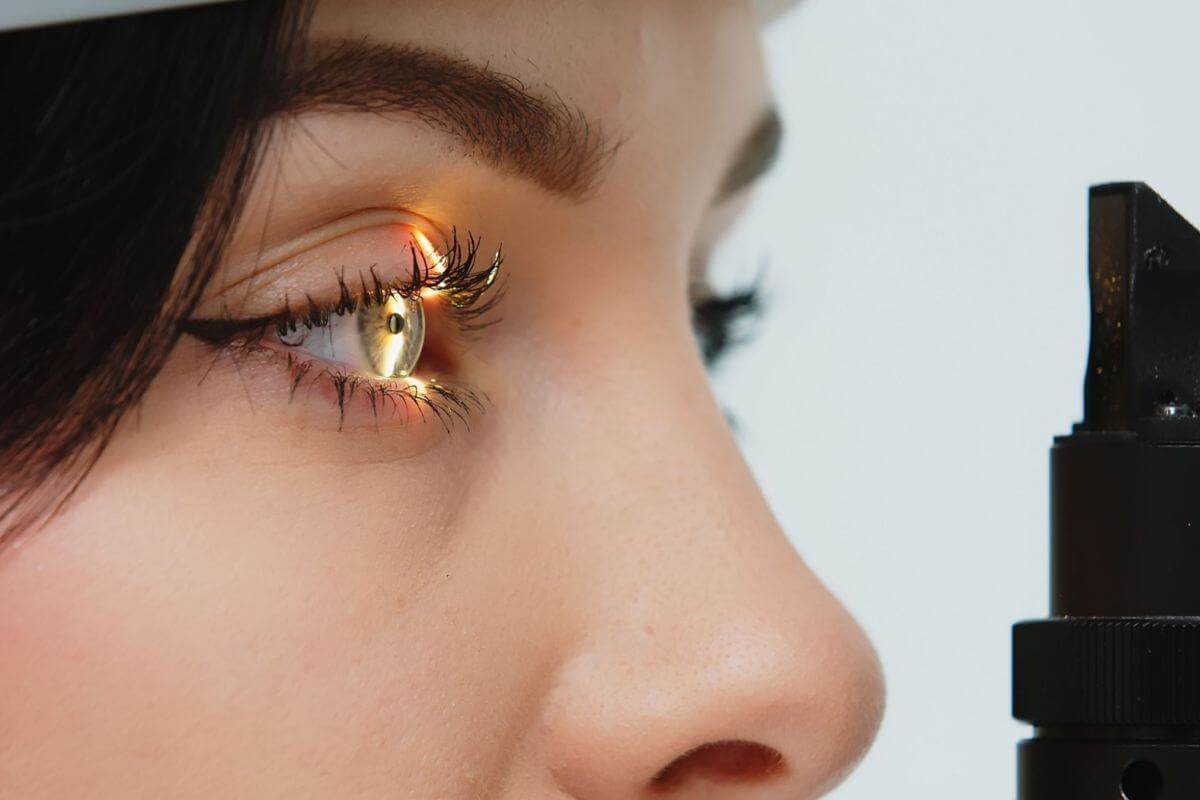
When we perform an Eye Examination at Robin Hall Opticians, we use advanced technology to look through your pupil. We aren’t just checking if you can read the bottom line of a letter chart; we are inspecting the health of your vascular system. Changes in the way your blood vessels look, leak, or cross over each other can signal issues like high blood pressure or even the early onset of diabetes. Because the eye is effectively an extension of the brain, we also get a clear view of the optic nerve, which can provide clues about neurological health.
1. Can an Eye Test Detect High Blood Pressure (Hypertension)?
High blood pressure is often called the “silent killer” because it rarely has obvious symptoms until a major event like a stroke or heart attack occurs. However, your eyes speak loudly when your blood pressure is too high.
Signs of Hypertension in the Retina
During a thorough check-up, an optometrist looks for a condition called hypertensive retinopathy. When your blood pressure is consistently high, the tiny walls of the blood vessels in your retina can thicken. This makes the vessels look narrow or “silver-wired.” In more advanced cases, the pressure can cause these tiny vessels to leak fluid or blood, which we can see clearly during your visit.
Why Early Detection Matters
If we spot these changes at Robin Hall Opticians, we can refer you to your GP immediately. Often, lifestyle changes or medication can bring your blood pressure back into a healthy range, significantly reducing your risk of cardiovascular disease. Your eyes provide the evidence we need to take action long before you feel “unwell.”
2. How Does Diabetes Show Up During an Eye Examination?
Diabetes is one of the leading causes of preventable blindness in the UK, yet many people living with Type 2 diabetes are unaware they have it. The fluctuating blood sugar levels associated with diabetes cause damage to the microvasculature throughout the body, and the eyes are often the first place this damage becomes visible.
Spotting Diabetic Retinopathy
When we examine the back of your eye, we look for tiny bulges in the blood vessels (microaneurysms) or small spots of blood. This is known as diabetic retinopathy. In the early stages, your vision might still be perfect, but the physical signs are there. If the condition progresses, new, fragile blood vessels might grow and leak, which can lead to permanent vision loss if left untreated.
A Life-Saving Diagnostic Tool
An Eye Examination acts as a frontline defense. Because we can see the very beginning of vessel damage, we can help patients get a formal diagnosis and start managing their blood sugar levels. Early intervention not only saves your sight but also protects your kidneys, heart, and nerves from further diabetic complications.
3. Can Your Optometrist Identify High Cholesterol?
You might think a blood test is the only way to check your cholesterol levels, but a simple look at your eyes can reveal a lot. High cholesterol can lead to blockages in your arteries, and those blockages can manifest in a few different ways within the eye area.
Visual Indicators of Cholesterol
- Arcus Senilis: This is a white, grey, or bluish ring that forms around the edge of the cornea (the clear front part of the eye). While common in older adults, seeing this in someone under 40 is a strong indicator of high cholesterol.
- Hollenhorst Plaques: During a retinal exam, we might see tiny, shiny flecks of cholesterol lodged within an artery. These have often broken off from a larger artery—like the carotid artery in your neck—and travelled to the eye.
- Xanthelasma: These are small, yellowish bumps that appear on the skin of the eyelids. They are essentially deposits of cholesterol.
If we notice these signs at Robin Hall Opticians, it serves as a prompt for you to have a full lipid profile blood test with your doctor to assess your heart health.
4. Identifying Risks of Stroke and Cardiovascular Disease
Because the eye is so closely linked to the body’s circulatory system, it serves as a primary warning system for your risk of stroke. A stroke occurs when the blood supply to part of the brain is interrupted or reduced, and the eyes often show the “pre-game” signs of this potential disaster.
The Connection Between Eyes and Brain
When an optometrist sees blockages or “nicking” (where an artery crosses over and compresses a vein) in the retina, it suggests that the same process is likely happening in the vessels leading to your brain. Furthermore, sudden, temporary vision loss in one eye—even if it lasts only a few minutes—can be a “mini-stroke” or TIA (Transient Ischaemic Attack).
By identifying these vascular patterns during a routine visit, we can provide the necessary referrals to help prevent a major stroke. We take these observations very seriously at Robin Hall Opticians because your ocular health is inextricably linked to your neurological and heart health.
5. Detecting Signs of Autoimmune Conditions
Autoimmune diseases occur when your immune system mistakenly attacks your own body. Many of these conditions cause inflammation, and that inflammation frequently targets the eyes.
Common Autoimmune Indicators
- Rheumatoid Arthritis: This often causes severe “dry eye” or inflammation of the white part of the eye (scleritis). If your eyes are consistently red, painful, and don’t respond to standard drops, it might be an underlying systemic issue.
- Lupus: This can cause inflammation in the light-sensing tissue at the back of the eye, leading to swelling or changes in the blood vessels.
- Multiple Sclerosis (MS): One of the most common early signs of MS is optic neuritis—an inflammation of the optic nerve. This can cause blurred vision or pain when moving the eyes.
Because these symptoms can appear before joint pain or other systemic markers, your optometrist is often the first person to suggest an autoimmune screening.
6. Can an Eye Exam Find Brain Tumours?
It sounds frightening, but it is a reality: an eye test can save your life by detecting increased pressure inside the skull. The optic nerve connects your eye directly to your brain. If a tumour or a mass is growing, it can create pressure that pushes on the back of the eye.
Understanding Papilledema
When we look at your optic nerve, we expect to see clear, crisp edges. If the nerve looks swollen or the edges appear “blurred,” this is a condition called papilledema. This is often a sign of increased intracranial pressure. While it doesn’t always mean a tumour is present—it could be due to an infection or a different neurological condition—it is a red flag that requires immediate medical imaging like an MRI or CT scan.
At Robin Hall Opticians, we use high-resolution retinal imaging to document the appearance of your optic nerve. This allows us to monitor for even the slightest changes over time, ensuring that any neurological red flags are addressed with urgency.
7. Spotting Vitamin Deficiencies and Thyroid Issues
Your lifestyle and nutrition also leave marks on your eyes. Specifically, vitamin A deficiency is a major cause of night blindness and can lead to Bitot’s spots (foamy-looking patches on the white of the eye).
Thyroid Eye Disease
Thyroid issues, particularly Grave’s Disease, often cause the eyes to look “bulging” or prominent. This happens because the autoimmune response causes the muscles and tissues around the eye to swell. You might also experience double vision or a retracted eyelid that makes you look like you are constantly staring. Detecting these changes early allows for better management of thyroid function, which regulates everything from your metabolism to your heart rate.
Summary
It is easy to view an eye test as a chore or something you only do when your vision gets blurry. However, as we have explored, the eyes provide a non-invasive look at the most complex systems in your body. From the silent threat of high blood pressure to the hidden indicators of diabetes and autoimmune disease, your optometrist sees much more than just “letters on a chart.”
Regular visits to Robin Hall Opticians ensure that we have a baseline for your health. If something changes internally, we are often the first to know. We combine years of clinical expertise with a genuine commitment to our community’s well-being, making sure your check-up is as thorough as possible.
Take Charge of Your Well-being
Don’t wait for your vision to change before you seek professional advice. Many of the conditions mentioned—like glaucoma, diabetes, and hypertension—do not cause pain or blurred vision in their earliest, most treatable stages.
Are you due for a check-up?
Protect your vision and your overall health by scheduling your next appointment with us. Our team provides a welcoming environment and uses the latest diagnostic tools to ensure your eyes—and your body—are in the best possible shape.
Visit Robin Hall Opticians today to book your comprehensive Eye Examination and experience the peace of mind that comes with professional care.