

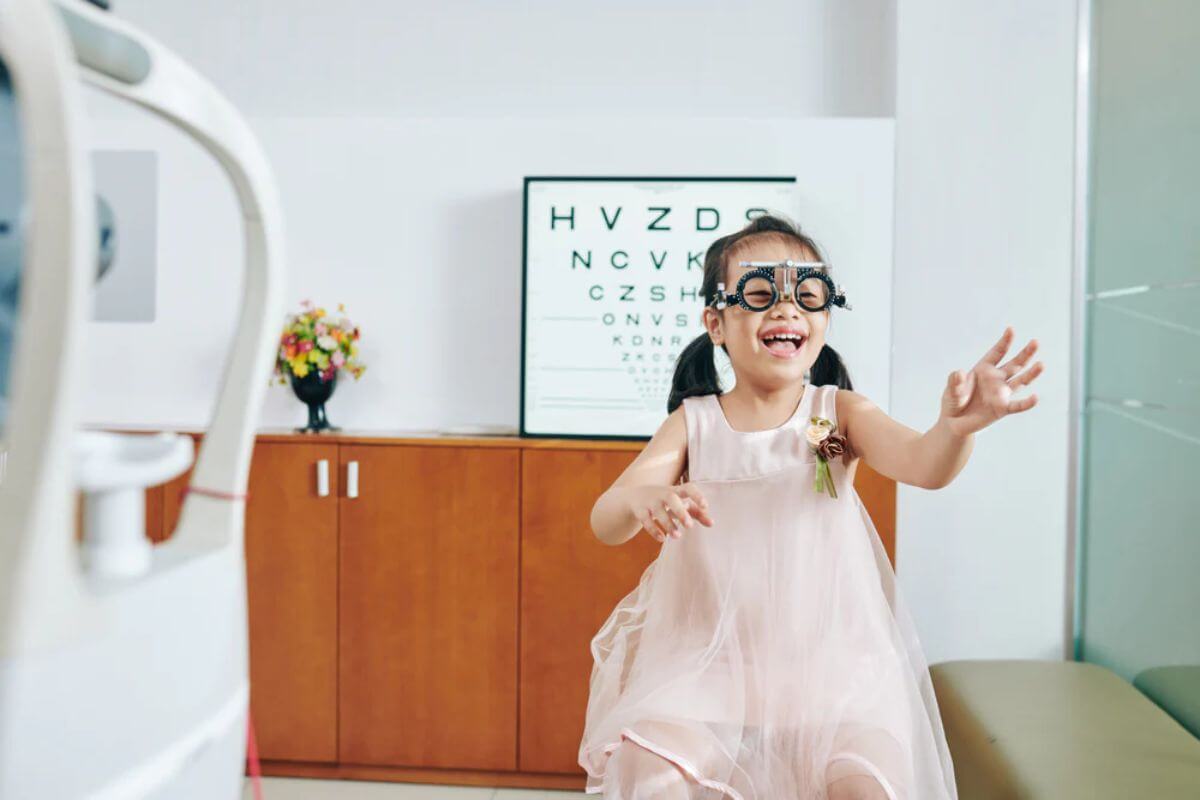
What UK Parents Need to Know About Myopia Control for Kids
Across the UK, more parents are hearing the word myopia during routine eye tests and school vision screenings. Myopia, also known as short-sightedness, is no longer just a matter of needing glasses for distance. Rates of childhood myopia are rising, and eye care professionals are increasingly focused on slowing its progression rather than simply correcting vision.
For parents, this can feel confusing. Questions often come up quickly. Is myopia serious? Will it keep getting worse? Are there safe treatments for children? And when should action be taken?
This article explains what UK parents need to know about myopia control for kids in clear, practical terms. It covers how myopia develops, why early management matters, the treatment options available in the UK, and how specialist opticians such as Robin Hall Opticians support families through long-term myopia management.
Understanding Myopia in Children
What Is Myopia and How Does It Affect Kids?
Myopia is a vision condition where distant objects appear blurred while near vision remains clear. In children, this often shows up as difficulty seeing the whiteboard at school, sitting closer to the TV, or squinting to read signs.
Physically, myopia occurs when the eye grows too long from front to back. This causes light to focus in front of the retina instead of directly on it. Once myopia begins in childhood, it usually progresses as the child grows.
Why Childhood Myopia Is Increasing in the UK
Eye care professionals across the UK have seen a steady rise in childhood myopia. Several factors contribute to this trend:
- Increased screen use for learning and leisure
- More time spent on close work, such as reading and using tablets
- Less time outdoors in natural daylight
- Genetic factors if one or both parents are myopic
UK children today spend far more time indoors than previous generations. Research consistently shows that outdoor time plays a protective role in eye development.
Why Myopia Control Matters Beyond Clear Vision
Myopia Is About More Than Glasses
Traditional glasses and contact lenses correct blurred vision, but they do not slow the progression of myopia. As myopia increases year after year, the child’s prescription becomes stronger.
Higher levels of myopia are linked with increased risks later in life, including retinal detachment, glaucoma, myopic maculopathy, and early cataracts. While these conditions are not guaranteed, the risks rise as myopia becomes more severe.
The Long-Term Benefits of Early Myopia Management
Myopia control for children focuses on slowing how quickly myopia progresses while the eyes are still growing. Even a small reduction in progression can significantly lower future eye health risks.
Starting myopia control early, often between ages 6 and 12, tends to be more effective. This is why UK opticians now emphasise early assessment rather than waiting until prescriptions become high.
Signs Parents Should Watch for at Home and School
Common Symptoms of Myopia in Kids
Children do not always realise their vision is blurry, especially if myopia develops gradually. Parents and teachers often notice clues such as:
- Sitting very close to screens or books
- Complaints of headaches or tired eyes
- Squinting or rubbing eyes frequently
- Difficulty concentrating in class
- Declining school performance linked to visual tasks
Regular children’s eye tests in the UK are essential, even if no symptoms are obvious. NHS-funded eye tests are available for children, making early detection more accessible.
When to Book a Specialist Myopia Assessment
If myopia is detected or if there is a strong family history, parents may be advised to book a dedicated myopia control consultation. Practices such as Robin Hall Opticians offer enhanced assessments that go beyond standard sight tests, including eye growth tracking and personalised treatment planning.
Myopia Control Options Available in the UK
Myopia Management Spectacle Lenses
Specially designed myopia management lenses look similar to normal glasses but use advanced optical designs to reduce signals that encourage eye growth.
These lenses are:
- Suitable for younger children
- Easy to wear full-time
- Non-invasive and safe
They are often recommended as a first-line option for families seeking myopia control for kids without contact lenses.
Myopia Control Contact Lenses
Soft myopia control contact lenses are designed for daily wear and are suitable for many children, even from a young age, with proper guidance.
Benefits include:
- Clear vision without glasses
- Effective control of myopia progression
- Active lifestyle compatibility
UK opticians provide full training for children and parents to ensure safe handling and hygiene.
Orthokeratology (Ortho-K)
Orthokeratology involves wearing specially designed rigid contact lenses overnight. These lenses gently reshape the cornea while the child sleeps, providing clear vision during the day without glasses or contacts.
Ortho-K is popular for children who:
- Play sports
- Dislike wearing glasses
- Have progressing myopia
It also plays a role in myopia control for children in the UK when carefully monitored by experienced opticians.
Atropine Eye Drops for Myopia Control
Low-dose atropine eye drops are another option offered in some UK practices. These drops are used nightly and have been shown to slow myopia progression.
Important points for parents:
- Low-dose atropine does not affect vision significantly
- Treatment is monitored closely
- Often combined with optical solutions for the best results
Not all children are suitable, so professional assessment is essential.
Lifestyle Changes That Support Myopia Control
The Role of Outdoor Time
Spending time outdoors is one of the most effective natural ways to support healthy eye development. UK guidelines often suggest at least 90 minutes to two hours of outdoor activity per day when possible.
Natural daylight helps regulate eye growth, even on cloudy days.
Managing Screen Time and Near Work
While screens are part of modern life, balance matters. Parents can support myopia control by encouraging:
- Regular breaks using the 20-20-20 rule
- Good lighting during reading and homework
- Holding books and devices at a sensible distance
- Limiting recreational screen use
These habits support professional myopia management treatments.
How Specialist Opticians Support Families Long Term
Why Ongoing Monitoring Is Essential
Myopia control is not a one-off solution. Children’s eyes change as they grow, and treatment plans may need adjustment.
Specialist opticians track:
- Prescription changes
- Eye length growth
- Visual comfort and performance
This data-driven approach ensures treatment remains effective and safe.
Robin Hall Opticians’ Approach to Myopia Control
As expert eye opticians in the UK, Robin Hall Opticians focus on personalised care for each child. Their approach combines advanced diagnostic technology, evidence-based treatments, and clear communication with parents.
Families receive:
- Tailored myopia control plans
- Honest guidance on treatment options
- Ongoing support throughout childhood and adolescence
This long-term partnership helps parents feel confident in managing their child’s eye health.
Addressing Common Parental Concerns
a) Is Myopia Control Safe for Children?
Yes, when provided by qualified professionals. All approved myopia control treatments used in the UK are supported by clinical research and regulated standards.
b) Does Myopia Control Cure Myopia?
Myopia control does not reverse myopia, but it can slow progression significantly. The goal is to reduce how strong the prescription becomes over time.
c) How Long Does Myopia Control Treatment Last?
Treatment typically continues until eye growth stabilises, often in the mid to late teenage years. Regular reviews help determine the right duration.
Conclusion:
Myopia is becoming increasingly common among UK children, but parents are not without options. Understanding what myopia control for kids involves empowers families to take early, informed action.
From specialist lenses and contact lenses to orthokeratology and lifestyle changes, modern myopia management offers real benefits beyond clear vision. Early intervention can reduce long-term eye health risks and support better outcomes into adulthood.
Parents concerned about their child’s vision should book a professional eye assessment and discuss myopia control options with an experienced provider. Practices such as Robin Hall Opticians are well placed to guide families through every stage of myopia management with care, clarity, and expertise.
Taking that first step today could protect a child’s vision for years to come.