

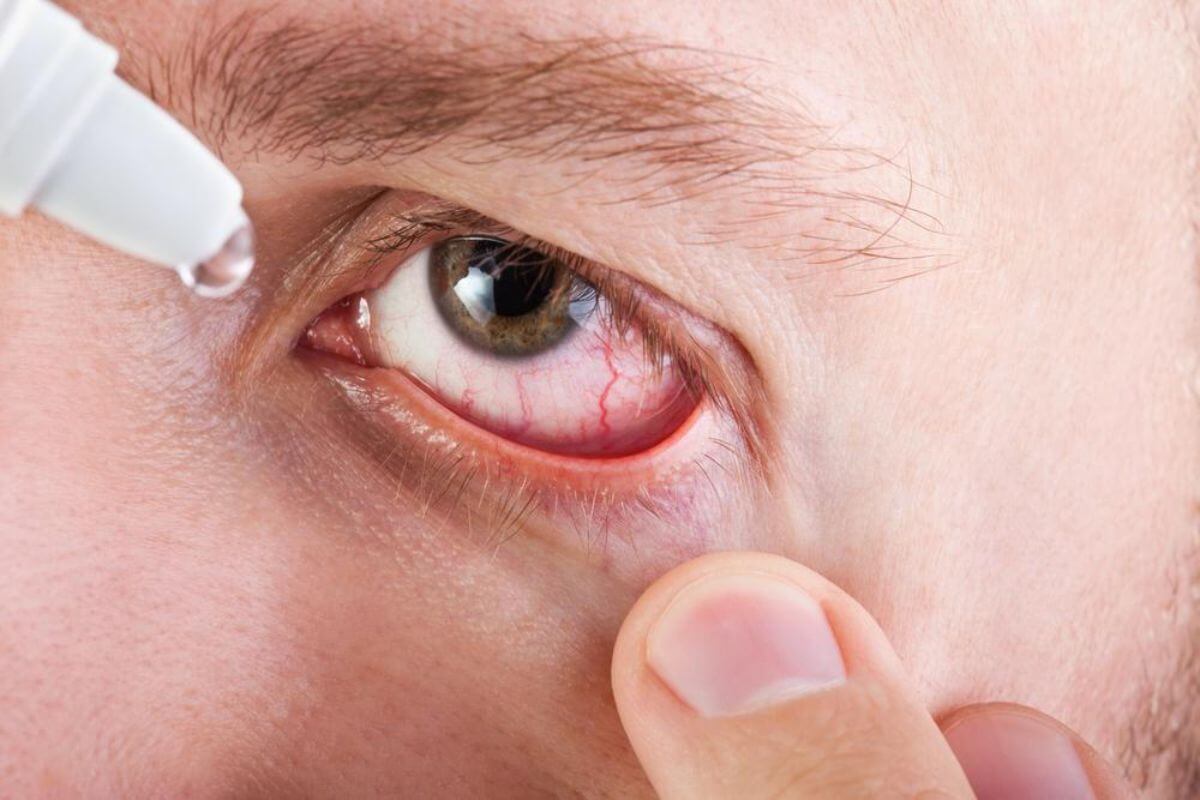
Cure Itchy Eyes from Allergies: Opticians’ Best Advice
Last updated: December 2025
Itchy eyes can turn a normal day into a frustrating one. Most people brush it off as tiredness or a bit of irritation, but allergy-related eye problems are more common than many realise. From seasonal pollen to dust mites at home, these tiny triggers can cause redness, burning, tearing, and non-stop itching.
At Robin Hall Opticians, the team often sees patients who struggle with itchy, allergy-prone eyes but aren’t sure what actually causes the symptoms or how to manage them properly. The good news is that relief is possible. With the right guidance, the right habits, and the right eye care plan, you can reduce flare-ups and enjoy clearer, calmer eyes.
This article explains why allergies cause itchy eyes, what you can do about them, and how opticians help you keep your eyes healthy long-term. It includes practical tips, treatment options, and examples from everyday situations that many patients relate to. By the end, you’ll know exactly how to manage your symptoms and when you should book a check-up to get personalised support.
What Actually Causes Itchy Eyes from Allergies?
Allergy-related eye irritation isn’t random. It happens when the immune system reacts to something harmless as if it were dangerous.
1. How the Reaction Starts
When allergens reach the eyes, the body releases histamines. These chemicals create itching, redness, burning, and swelling. Patients often assume the problem is dryness or fatigue, but histamine reactions behave differently and usually appear quickly.
Common triggers include:
- Pollen: Especially during spring and early summer.
- Pet dander: Cats and dogs shed tiny proteins that irritate sensitive eyes.
- Dust mites: These microscopic particles can affect the eyes all year.
- Mould spores: Often overlooked, especially in damp corners or bathrooms.
- Household chemicals: Cleaning sprays or fragrances can irritate eyes even without traditional allergies.
2. How Allergies Affect the Surface of the Eye
The surface of the eye has a thin tear film that protects and lubricates it. Allergies disturb this tear film by causing inflammation. When the tear film breaks down, the eyes feel dry, gritty, and itchy. Many people rub their eyes without realising it only makes the irritation worse.
3. Why Opticians Treat Allergy-Related Eye Problems Regularly
Allergic eye symptoms are extremely common. Opticians see everything from mild discomfort to severe swelling and even temporary blurred vision. Because the symptoms overlap with other eye conditions, a proper examination ensures that the irritation truly comes from allergies rather than dry eye syndrome, an infection, or early signs of another condition.
This is where detailed assessments, including tools like an OCT eye test, help opticians spot the exact cause and rule out issues hidden beneath the surface of the eye.
Signs Your Itchy Eyes Are Actually Caused by Allergies
Many patients walk into Robin Hall Opticians unsure whether their symptoms come from allergies or something else. Identifying the cause helps you choose the right treatment.
a) Typical Allergy Symptoms
You might be dealing with allergy-related eye irritation if you notice:
- Persistent itching
- Redness or pinkish colour around the eyes
- Watery eyes
- Swollen eyelids
- Burning sensation
- Sensitivity to light
- Gritty feeling, like something is stuck in the eye
The itching is usually the strongest sign because infections or fatigue rarely cause intense itchiness.
b) Seasonal vs. Perennial Allergies
Knowing whether your symptoms come and go or last all year helps narrow down the cause.
- Seasonal allergies: Often linked to pollen. Symptoms rise in spring and early summer.
- Perennial allergies: Triggered by things inside the home, such as dust mites or pets. Symptoms remain steady throughout the year.
c) When Symptoms Might Not Be Allergies
Some conditions mimic allergies:
- Dry eye syndrome
- Blepharitis
- Contact lens intolerance
- Conjunctivitis (non-allergic)
This is why eye examinations matter. An optician checks the tear film, eyelids, cornea, and overall eye health to identify the real source of irritation. Tools like the OCT eye test help give a clear picture of internal structures and rule out deeper problems.
Practical Everyday Tips to Reduce Itchy Eye Flare-Ups
Managing allergies starts with everyday habits. Most patients don’t realise how simple changes can ease symptoms dramatically.
1) Keep Pollen Under Control
If pollen triggers your allergies:
- Close windows during high-pollen hours, especially early morning.
- Shower and change clothes after being outdoors.
- Use air purifiers at home.
- Avoid rubbing your eyes after gardening or walking through parks.
A simple practice like washing your face after returning home can remove pollen stuck to eyelashes and eyebrows.
2) Manage Dust Mites and Indoor Allergens
For year-round allergy sufferers:
- Wash bedding in hot water once a week.
- Use dust-mite-proof pillow and mattress covers.
- Vacuum with a HEPA filter.
- Avoid heavy curtains or thick carpets that trap dust.
Small cleaning habits make a noticeable difference in eye comfort.
3) Protect Your Eyes When Outdoors
Wearing wraparound sunglasses helps keep pollen and dust away from the eyes. This reduces contact with allergens before they trigger a reaction.
4) Avoid Rubbing Your Eyes
Rubbing releases more histamines and increases inflammation. It can also irritate the cornea. Patients often do it without thinking, but stopping the habit is one of the simplest ways to reduce symptoms.
5) Use Clean Eye Cosmetics
Old mascara, unclean brushes, or heavy makeup can trigger reactions or trap allergens. Replace products regularly and clean brushes weekly.
6) Keep Contact Lenses Clean or Consider Alternatives
Contact lenses can trap allergens on their surface. Daily disposable lenses work better for people with allergies because they start fresh every day. Your optician can advise you based on your lifestyle and sensitivity levels.
Treatments Opticians Recommend for Itchy, Allergy-Prone Eyes
While home habits help, specific treatments provide faster and more reliable relief.
a) Artificial Tears
Lubricating drops flush out allergens and soothe dryness. Opticians often recommend preservative-free drops for sensitive eyes. They work best when used several times a day, not just when symptoms flare up.
b) Antihistamine Eye Drops
These drops block histamine release and reduce itching quickly. Many patients feel relief within minutes. Some antihistamine drops last all day, making them ideal for people who spend time outdoors.
c) Mast Cell Stabiliser Drops
These drops prevent histamine release before symptoms start. They work best for predictable seasonal allergies. Taking them a few weeks before allergy season can stop symptoms before they appear.
d) Combination Eye Drops
Some drops combine antihistamine and mast cell stabilisers. Opticians often suggest these for moderate to severe symptoms.
e) Cold Compresses
A clean cloth soaked in cold water placed over closed eyes helps reduce swelling and itching. It’s a simple but effective at-home remedy.
f) Prescription Treatments
Patients with recurring or severe symptoms may need prescription-strength drops. Opticians identify when over-the-counter options aren’t enough and refer patients appropriately.
How Eye Examinations Help Manage Allergy-Related Itchiness
Eye allergies might feel straightforward, but proper eye health checks ensure nothing more serious is going on.
1) Why Ordinary Symptoms Need Professional Assessment
Itchy eyes can hide other issues:
- Early dry eye disease
- Eyelid inflammation
- Corneal irritation
- Conjunctival infections
- Early signs of eye conditions linked to inflammation
Opticians examine the surface of the eye, eyelids, tear film, and overall health to understand your symptoms fully.
2) What Happens During an Eye Examination
A typical eye exam includes:
- Vision assessment
- Checks for redness, swelling, or blocked glands
- Tear film evaluation
- Allergy-specific symptom review
If something unusual appears, the optician may recommend further tests to understand what’s happening behind the scenes.
3) How an OCT Eye Test Helps
An OCT eye test provides a detailed scan of the back of the eye. Although it’s not a direct allergy test, it helps opticians rule out underlying causes of discomfort or blurred vision that might mimic allergy symptoms.
This test creates cross-sectional images of the retina and other structures, helping detect early signs of conditions before they affect vision. Patients with chronic inflammation, fluctuating vision, or persistent irritation often benefit from this test because it gives a deeper view of eye health.
Mentioning the OCT eye test during your appointment helps your optician understand whether a more thorough examination may be helpful.
How Lifestyle and Environment Influence Eye Allergies
Your surroundings play a bigger role than you might think. Many patients only address symptoms but forget to address the source.
a) Your Home Environment
Homes trap allergens more than outdoor spaces. Cushions, carpets, radiators, and vents collect dust, pet dander, and mould spores. Keeping the home clean, using an air purifier, and reducing clutter can make a noticeable improvement.
b) Workplaces and Digital Habits
Long hours at a computer reduce blinking, which worsens dryness. When the eyes feel dry, they become more reactive to allergens.
Simple adjustments help:
- Follow the 20-20-20 rule
- Use a humidifier
- Position screens slightly below eye level
- Keep a bottle of artificial tears at your desk
c) Outdoor Conditions
Windy days carry more pollen and dust. Sunglasses act as a barrier. Some patients benefit from checking pollen forecasts and planning outdoor activities accordingly.
d) Personal Hygiene and Routine
Frequently washing hands, avoiding touching the face, and staying hydrated support healthy tear production and reduce flare-ups.
When You Should See an Optician for Itchy Eyes
Allergies can be managed effectively, but certain symptoms need prompt attention.
1) Signs You Should Book an Appointment
- Symptoms last more than a week
- Over-the-counter drops don’t help
- Vision becomes blurry
- One eye becomes much worse than the other
- You experience pain or light sensitivity
- You wear contact lenses and develop sudden irritation
2) Why Early Care Matters
Treating symptoms early prevents complications. Chronic rubbing can cause corneal problems, long-term dryness, and increased inflammation. Regular eye check-ups ensure your eyes stay healthy and comfortable.
3) How Robin Hall Opticians Can Help
The team provides:
- Assessments for allergic eye conditions
- Tailored treatment plans
- Recommendations for drops and lifestyle adjustments
- Advice on contact lenses for sensitive eyes
- Advanced tests when needed, including the OCT eye test
Patients often feel relieved after understanding the exact cause of their symptoms and receiving a personalised plan.
Long-Term Eye Care for Allergy-Prone Eyes
Once you get your symptoms under control, keeping them away becomes much easier.
a) Build a Simple Eye Care Routine
Daily habits matter more than occasional fixes. Opticians often recommend:
- Using lubricating drops during high-allergy seasons
- Cleaning eyelids gently with warm water or lid wipes
- Taking breaks from screens
- Wearing protective eyewear outside
b) Maintain Contact Lens Hygiene
If you wear lenses:
- Use daily disposables if possible
- Never sleep with lenses in
- Clean reusable lenses properly
- Replace lens cases every three months
Your optician can help you choose lenses that suit sensitive eyes.
c) Have Regular Eye Examinations
Yearly eye exams help ensure that nothing changes in your eye health. For patients with chronic allergies, regular monitoring prevents complications and keeps symptoms under control.
Conclusion:
Itchy eyes from allergies are annoying, but they’re not something you have to live with. With the right care, simple habits, and a tailored treatment plan, you can calm the irritation and protect your long-term eye health.
Robin Hall Opticians helps patients understand the source of their symptoms and choose the right approach, whether it’s lubricating drops, antihistamine treatments, lifestyle changes, or a detailed eye examination. If your eyes feel itchy, irritated, or uncomfortable, now is the right time to get expert advice.
Book an appointment with Robin Hall Opticians today and give your eyes the care and comfort they deserve.