

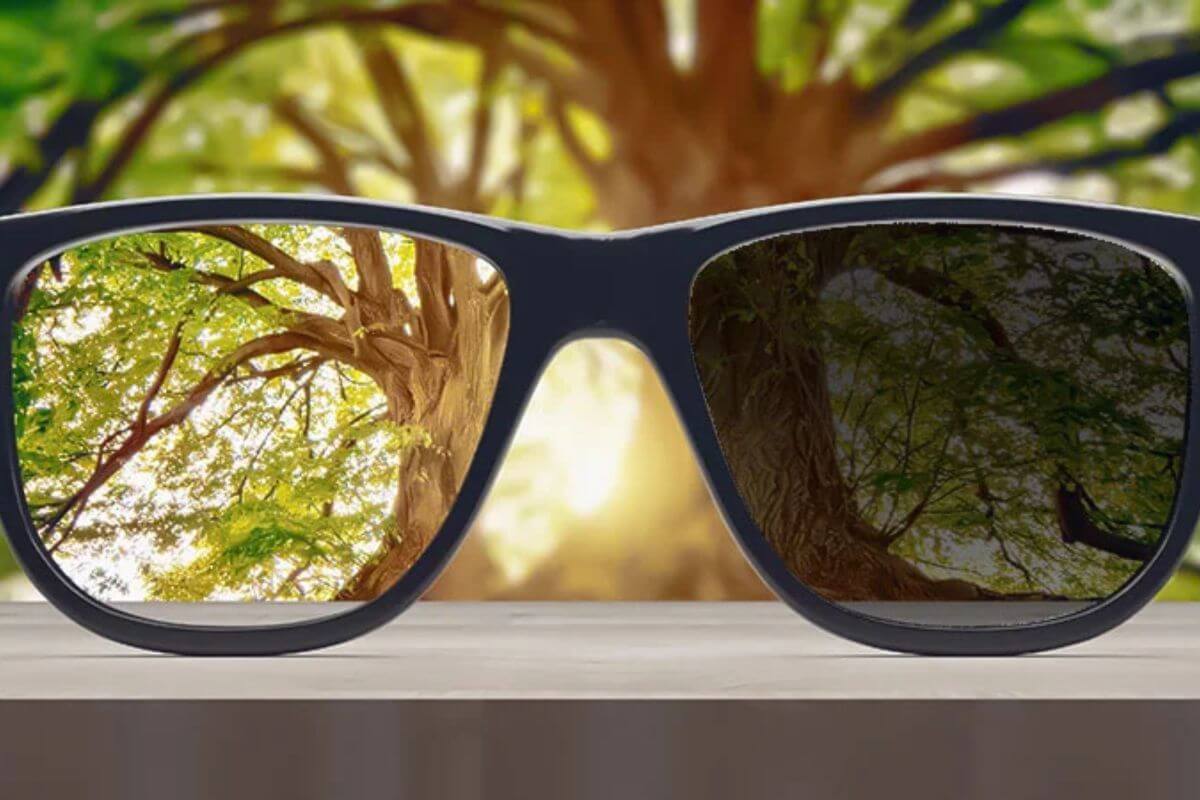
Lens Technologies Explained: Anti-glare, Blue Light, Transitions
Clear vision isn’t just about having the right prescription. The lenses you choose can make a huge difference to comfort, eye health, and daily function. Many patients at Robin Hall Opticians in Manchester are surprised by how far modern lens technology has come in recent years.
From reducing night-time glare to filtering digital screen light and adapting to changing sunlight, today’s lenses are designed to support modern lifestyles. This guide explains anti-glare coatings, blue light lenses, and Transitions lenses in simple terms. It also highlights how these options compare with Contact Lenses in Manchester, helping patients choose what suits their needs best.
What Are Anti-Glare Lenses and How Do They Work?
Anti-glare lenses, also known as anti-reflective (AR) lenses, are designed to reduce reflections from the front and back surfaces of spectacle lenses. Reflections can cause visual distractions, especially at night or under bright indoor lighting.
How Anti-Glare Coatings Improve Vision
An anti-reflective coating allows more light to pass through the lens instead of bouncing off it. This leads to:
- Sharper vision
- Reduced halos around headlights
- Improved night driving comfort
- Less eye strain during screen use
- Clearer cosmetic appearance in photographs and meetings
For professionals who spend long hours at a computer or regularly drive in the dark, anti-glare lenses can significantly improve daily comfort.
Who Benefits Most from Anti-Glare Lenses?
Anti-glare coatings are particularly helpful for:
- Night drivers
- Office workers using multiple screens
- Students studying under artificial lighting
- Anyone sensitive to bright lights
At Robin Hall Opticians, anti-glare coatings are often recommended as part of a complete lens solution, rather than as an optional extra, because of the clear benefits for visual clarity and comfort.
What Are Blue Light Lenses and Do They Protect Your Eyes?
With increased use of digital devices, many patients ask about blue light lenses. These lenses are designed to filter a portion of blue-violet light emitted by screens such as smartphones, tablets, and computers.
Understanding Blue Light Exposure
Blue light is part of the visible light spectrum. While natural blue light from the sun helps regulate sleep cycles, prolonged exposure to artificial blue light from screens may contribute to:
- Digital eye strain
- Dry eyes
- Headaches
- Difficulty sleeping
Although research is ongoing, many patients report noticeable comfort improvements when using blue light filtering lenses during extended screen use.
How Blue Light Lenses Help
Blue light lenses include a special filter within the lens material or coating. This filter reduces the intensity of blue-violet wavelengths without significantly altering colour perception.
They are especially useful for:
- Remote workers
- Gamers
- Students
- Office-based professionals
- Teenagers with heavy device use
Patients who alternate between spectacles and Contact Lenses in Manchester often ask whether blue light protection is available in both options. While blue light filtering contact lenses do exist, many patients still prefer spectacles with blue light coatings for extended screen sessions.
What Are Transitions Lenses and How Do They Adapt?
Transitions lenses are photochromic lenses that automatically adjust their tint based on UV exposure. They darken outdoors in sunlight and return to clear indoors.
How Transitions Technology Works
These lenses contain light-sensitive molecules that react to ultraviolet (UV) rays. When exposed to sunlight:
- The lenses darken to reduce brightness
- Glare is reduced
- UV protection increases
When indoors or in low UV environments, the lenses gradually return to a clear state.
Benefits of Transitions Lenses
Transitions lenses are ideal for people who:
- Move frequently between indoor and outdoor environments
- Prefer not to carry separate prescription sunglasses
- Experience light sensitivity
- Want added UV protection
In Manchester’s changing weather conditions, where sunlight can appear unexpectedly, Transition lenses provide convenient visual comfort without constant switching between glasses.
Some patients combine Transitions spectacles with Contact Lenses in Manchester for added flexibility, wearing lenses for sport or social occasions and relying on adaptive glasses for workdays.
How Do These Lens Technologies Support Long-Term Eye Health?
While lens technologies primarily improve comfort and clarity, they also play a role in protecting eye health.
Reducing Eye Strain
Anti-glare and blue light lenses both help reduce visual fatigue. When glare and harsh light are minimised, the eyes do not need to work as hard to maintain focus. Over time, this can reduce symptoms such as:
- Tired eyes
- Blurred vision
- Headaches
- Neck and shoulder tension
Protecting Against UV Damage
Prolonged UV exposure has been linked to increased risk of certain eye conditions. Transition lenses and UV-coated lenses protect against harmful ultraviolet rays, supporting long-term eye health.
Supporting Modern Visual Demands
The average person now spends several hours per day using digital devices. Proper lens selection can make a significant difference to comfort and performance at work and home.
At Robin Hall Opticians, every lens recommendation is based on a full eye examination and lifestyle discussion, ensuring patients receive solutions tailored to their specific visual demands.
Spectacle Lenses vs Contact Lenses in Manchester: Which Is Right?
Many patients wonder whether they should choose advanced spectacle lenses or Contact Lenses in Manchester. The answer often depends on lifestyle and personal preference.
Advantages of Spectacle Lens Technologies
- Easy to wear and remove
- Built-in coatings such as anti-glare and blue light
- Photochromic options available
- Low daily maintenance
Spectacles are often ideal for extended screen work and office environments.
Advantages of Contact Lenses
- Wider field of view
- No fogging or reflections
- Excellent for sport and active lifestyles
- Natural appearance
Modern Contact Lenses in Manchester are available in daily, monthly, and specialist designs, including options for astigmatism and multifocal correction.
Many patients choose a combination approach: wearing contact lenses during active periods and switching to technologically advanced spectacles for work or driving.
At Robin Hall Opticians, fittings for Contact Lenses in Manchester include thorough assessments to ensure comfort, eye health, and optimal vision correction.
How to Choose the Right Lens Technology for Your Lifestyle
Choosing the right lens technology begins with understanding how the eyes are used daily.
Key Questions to Consider
- How many hours per day are spent on screens?
- Is there frequent night driving?
- Are light sensitivity or headaches common?
- Is convenience outdoors important?
- Is sport or physical activity part of daily life?
For example:
- A corporate professional in Manchester may benefit from anti-glare and blue light coatings.
- A university student may find blue light lenses helpful during late-night study sessions.
- A commuter driving daily may prioritise anti-glare lenses.
- Someone constantly moving between indoors and outdoors may prefer Transitions lenses.
For those who value flexibility, combining advanced spectacle lenses with Contact Lenses in Manchester can provide the best of both worlds.
A detailed consultation at Robin Hall Opticians ensures that every patient receives personalised advice rather than a one-size-fits-all solution.
Are These Lens Technologies Worth It?
Patients often ask whether these lens upgrades are truly necessary. The answer depends on visual habits and expectations.
In clinical practice, many patients report:
- Improved comfort during long workdays
- Better nighttime driving confidence
- Reduced digital eye strain
- Greater convenience outdoors
While basic lenses correct vision, advanced technologies improve the overall visual experience. For many people, especially those with demanding visual routines, the investment is worthwhile.
The team at Robin Hall Opticians always provides honest, practical guidance based on medical expertise and real-world patient outcomes.
Conclusion: Clearer Vision Starts with the Right Advice
Modern lens technologies offer far more than simple vision correction. Anti-glare coatings reduce reflections and improve clarity. Blue light lenses support digital comfort. Transitions lenses adapt seamlessly to sunlight, offering convenience and UV protection.
Choosing the right solution depends on individual needs, lifestyle, and eye health. Whether someone prefers advanced spectacles, Contact Lenses in Manchester, or a combination of both, professional guidance makes all the difference.
For expert advice tailored to your vision, book an appointment with Robin Hall Opticians in Manchester today. A comprehensive eye examination and personalised consultation will ensure the right lens technology is selected for long-term comfort, clarity, and eye health.