
How Eye Health Reflects Your Overall Health
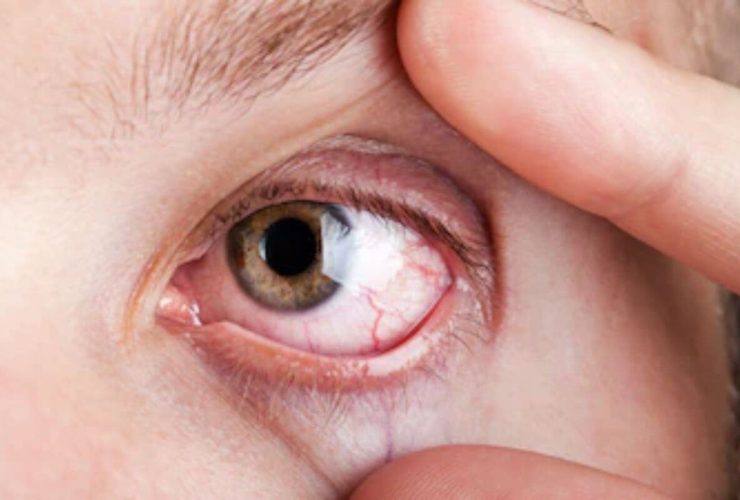
Your eyes do far more than help you navigate daily life. They serve as a direct window into your body’s internal systems. Tiny changes in your blood vessels, retina, or eyelids can signal issues like diabetes, high blood pressure, or even neurological conditions long before you feel other symptoms. At Robin Hall Opticians, we see these connections every day during routine exams, and we use that knowledge to support your whole-body wellness.
Our article explains the key ways eye health reflects your overall health. You learn specific signs to watch for, why they matter, and how proactive steps keep both your vision and your body in top shape. Regular checks make all the difference, and we share practical insights you can apply right away.
Diabetes and Your Eyes
Diabetes damages small blood vessels throughout your body, and your retina takes the hit first. High blood sugar levels weaken those vessels, causing them to leak fluid or bleed. This condition, called diabetic retinopathy, often starts with no noticeable symptoms at all. You might only spot floaters, blurred vision, or dark spots once the damage advances.
We examine the back of your eye with special tools to catch these early leaks and new, fragile blood vessels that grow as the body tries to compensate. Studies show that people with diabetes face a much higher risk of vision loss if they skip yearly checks. Controlling blood sugar helps slow the process, but only a detailed eye exam reveals whether your retina stays healthy.
At Robin Hall Opticians, we work closely with you and your doctor to track these changes. Early detection lets you adjust treatment before vision suffers. If you live with diabetes, you already know diet and medication matter. Adding consistent eye monitoring protects the eyesight you rely on every single day.
High Blood Pressure and Retinal Damage
High blood pressure pushes against artery walls with extra force, and the delicate vessels in your retina cannot handle that stress forever. Over time, those vessels narrow, twist, or develop tiny leaks. Optometrists spot classic signs such as arteriovenous nicking, where arteries cross and pinch veins, or cotton-wool spots that look like small white clouds on the retina. In more advanced cases, you may see flame-shaped haemorrhages or swelling around the optic nerve.
These retinal changes often appear before you notice headaches or fatigue from hypertension. We measure your blood pressure during visits and look for these exact patterns. When we find them, we encourage you to follow up with your GP straight away. Managing blood pressure through medication, exercise, and diet reverses some damage and prevents further harm to both your eyes and your heart.
You stay ahead of trouble when you treat eye health as part of your blood-pressure plan. Robin Hall Opticians includes these detailed retinal checks in every comprehensive exam so you catch problems early and keep your circulation strong.
Cholesterol Deposits Visible in Your Eyes
Your eyelids and the clear front surface of your eye can reveal high cholesterol levels directly. Yellowish, flat plaques called xanthelasma often form on the inner corners of your upper or lower lids. These soft deposits contain cholesterol and appear harmless on their own, yet they warn that levels in your bloodstream run too high.
Another common sign appears as a white or grey ring around the edge of the cornea, known as arcus senilis. While age can play a role, the ring in younger adults frequently points to elevated cholesterol that raises your risk of heart disease. We examine these areas carefully during slit-lamp checks and note any changes from one visit to the next.
You take action by discussing the findings with your doctor and adjusting your diet or starting medication if needed. Lowering cholesterol protects your arteries everywhere, including the ones that supply oxygen to your retina. At Robin Hall Opticians, we flag these visible clues so you can address the root cause before it affects your heart or vision.
Heart Disease Signs You Can Spot in the Eyes
The blood vessels in your eyes mirror those in your heart. Tiny blockages or reduced blood flow leave marks that we detect with advanced imaging like optical coherence tomography. These signs include micro-emboli or areas where blood flow has once stopped, even if you felt no chest pain at the time.
We also look for narrowed vessels or irregular branching patterns that suggest long-term cardiovascular strain. Research confirms that people with these retinal findings often face higher chances of future heart events. You gain a real advantage when an eye exam picks up these clues early. Lifestyle changes such as more exercise, better nutrition, and quitting smoking improve both heart and eye health at the same time.
Robin Hall Opticians records detailed images of your retina so we can track any progression and share results with your cardiologist when appropriate. This teamwork helps you stay proactive instead of reactive.
Neurological Problems That Show in Your Vision
Your optic nerve carries signals straight from the eye to the brain, so inflammation or pressure there reveals neurological issues quickly. Optic neuritis causes sudden vision loss in one eye, pain when you move the eye, and washed-out colours. Many people experience this as the first sign of multiple sclerosis, though other conditions can trigger it too.
We test colour vision, pupil reactions, and visual fields during exams to catch these changes. Swelling of the optic nerve head, called Papilledema, can also signal raised pressure inside the skull from tumours or other brain conditions. You report symptoms such as headaches or double vision, and we investigate promptly.
Early referral to a neurologist makes treatment more effective. You protect both your sight and your nervous system when you act on these eye findings without delay. Our team at Robin Hall Opticians stays alert for these subtle shifts, so you receive the right care at the right time.
Autoimmune and Thyroid Issues Reflected in Eye Health
Autoimmune conditions attack moisture-producing glands and tissues, and your eyes feel the effects first. In Sjögren’s syndrome, you notice gritty, burning eyes and reduced tears that make blinking uncomfortable. Rheumatoid arthritis sometimes leads to red, painful inflammation of the sclera or cornea.
Thyroid disorders, particularly Graves’ disease, cause the tissues behind the eyes to swell. You may see bulging eyes, retracted lids that do not close fully, or double vision. Dryness and light sensitivity often accompany these changes. We assess tear production, eyelid position, and eye movement during exams to spot these patterns early.
You manage symptoms with artificial tears, prescription drops, or specialist care, but the eye findings often prompt blood tests that confirm the underlying condition. Controlling the autoimmune or thyroid issue reduces eye discomfort and prevents complications. Eye Opticians play a vital role here by linking what we see to your broader health picture and guiding you toward the right support.
At Robin Hall Opticians, we combine this expertise with genuine care so you feel confident every step of the way.
The Role of Regular Eye Exams in Spotting Systemic Health Issues Early
Comprehensive eye exams do more than test your prescription. We view living blood vessels and nerves without any invasive procedure, giving us unique access to your systemic health. Expert Eye Opticians catch silent conditions that routine physicals might miss until later stages.
You schedule a check every one to two years, or more often if you have risk factors such as diabetes or family history. We use the latest technology to photograph your retina, measure eye pressure, and assess every layer of the eye. These records let us compare changes over time and share clear data with your GP when needed.
You gain peace of mind knowing one appointment covers vision and overall wellness. Small adjustments today prevent bigger problems tomorrow. Regular visits also build a relationship with your optometrist, so we understand your unique health story.
Your eyes reveal far more than you might expect. From blood-sugar damage and blood-pressure strain to cholesterol deposits, heart signals, neurological clues, and autoimmune or thyroid changes, eye health reflects your overall health in remarkable detail.
At Robin Hall Opticians, we turn those observations into practical support that keeps you healthy and seeing clearly. Book your next comprehensive eye exam today and take charge of both your vision and your well-being.