

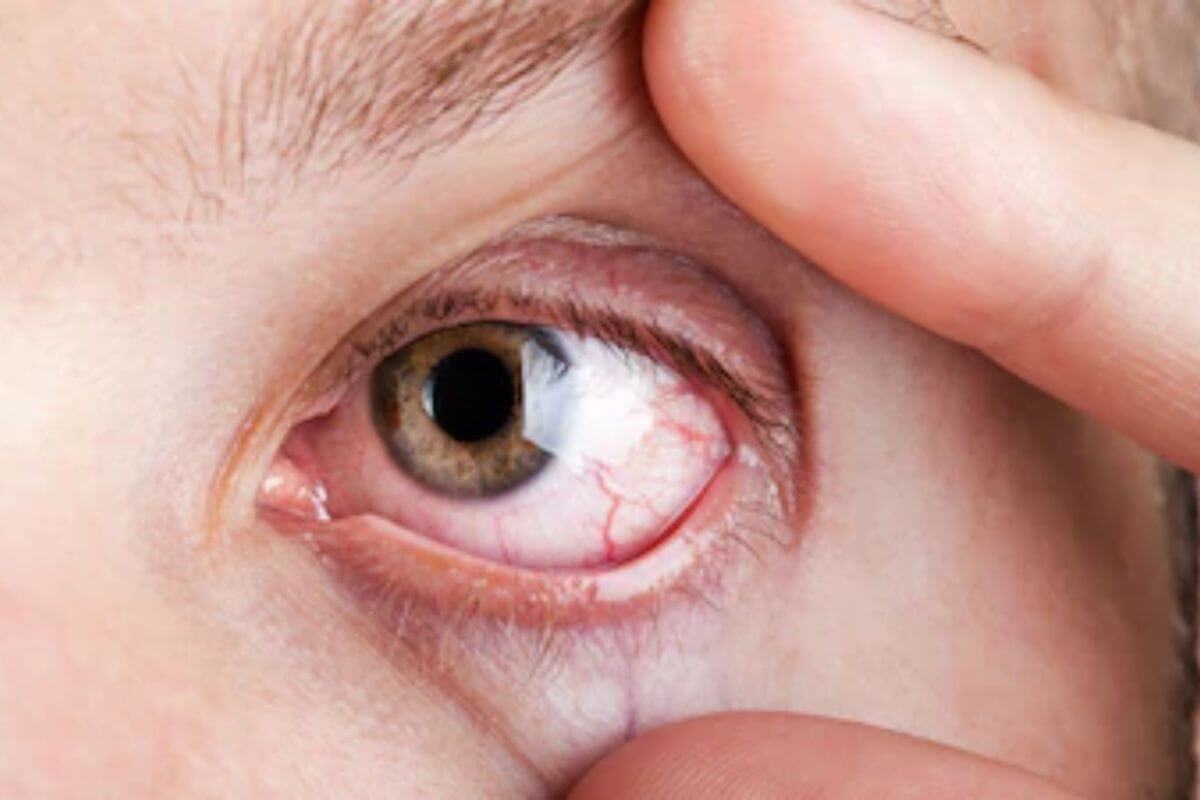
8 Common Causes of Dry Eye in Manchester Weather
Dry, gritty, and irritated eyes are a common complaint in Manchester. Many people assume it’s simply due to screen time or fatigue, but the surrounding climate plays a much bigger role than most people realise. Humid air, cold winds, central heating, and prolonged indoor hours mean the eyes are constantly adapting to changing conditions.
At Robin Hall Opticians, patients often say their symptoms worsen during certain seasons or after being outside in blustery weather. The good news is that dry eye is manageable when the cause is properly identified. This guide explains eight common causes of dry eye linked to Manchester weather, how they affect the eyes, and when to seek professional support from an experienced Eye Optician in Manchester.
1. Cold Winds and Outdoor Exposure
Manchester is no stranger to chilly, gusty days. While fresh air can feel refreshing, cold wind increases tear evaporation. Tears are essential for lubricating the surface of the eye. When wind strips away this protective layer too quickly, irritation follows.
Why does wind cause dry eye?
- Faster tear evaporation
- Increased inflammation of the eye surface
- Reduced tear film stability
People who walk to work, wait at tram stops, or spend time outdoors often notice watering eyes in windy weather. Ironically, excessive watering can be a sign of dryness. The eyes overproduce reflex tears, but these lack the oily layer needed to stay on the surface.
Wearing wraparound glasses outdoors can help reduce exposure. However, persistent symptoms may indicate an underlying tear film imbalance that should be assessed professionally.
2. Indoor Heating and Air Conditioning
Manchester winters mean central heating is on for months at a time. Offices, homes, and shopping centres often use dry, recycled air systems that lower humidity levels indoors.
How indoor air affects tear quality
- Reduced moisture in the environment
- Faster evaporation of tears
- Increased eye surface inflammation
Patients frequently report that their eyes feel worse at work than outdoors. Heated air removes natural moisture from the air, leading to burning, redness, and blurred vision.
Positioning desks away from direct air vents and using a humidifier can help. Still, if discomfort continues, an assessment from an experienced Eye Optician in Manchester can identify whether the oil glands in the eyelids are functioning properly.
3. High Humidity with Air Pollution
Manchester’s damp climate may seem like it should protect against dryness, but humidity combined with urban pollution can actually irritate the eyes.
The hidden impact of city air
- Pollutants destabilise the tear film
- Increased risk of inflammation
- Greater sensitivity in contact lens wearers
Fine particles from traffic and industrial areas can mix with moisture in the air, leading to irritation. For some individuals, this triggers chronic dry eye symptoms that persist throughout the year.
Patients who commute daily through busy city areas often experience fluctuating vision or a persistent gritty sensation. A thorough dry eye consultation at Robin Hall Opticians can help determine whether environmental irritants are contributing to symptoms.
4. Seasonal Allergies in Manchester
Spring and early summer bring increased pollen levels across Greater Manchester. Even mild allergies can affect the delicate tear film.
Allergy-related dry eye symptoms
- Itchy, red eyes
- Watery yet dry sensation
- Swollen eyelids
Allergic reactions cause inflammation, which disrupts normal tear production. Many people treat allergy symptoms but overlook the impact on tear quality.
Antihistamines, while helpful, can also reduce natural tear production. This creates a cycle where allergy relief leads to dryness. If symptoms persist beyond the allergy season, it is wise to consult an Eye Optician in Manchester who understands the link between environmental triggers and tear health.
5. Increased Screen Time During Colder Months
Manchester’s rainy days often mean more time indoors. Whether working from home or relaxing with a device, screen use significantly affects blinking patterns.
Why screens worsen dry eye
- Reduced blink rate
- Incomplete blinking
- Tear film instability
When focusing on a screen, people blink less often and less fully. This prevents the oily layer of tears from spreading evenly across the eye. Over time, this leads to dryness and irritation.
A simple 20-20-20 rule can help: every 20 minutes, look 20 feet away for 20 seconds. Conscious blinking exercises are also beneficial. If digital eye strain and dryness continue, a professional evaluation can identify underlying gland blockages or inflammation.
6. Meibomian Gland Dysfunction (MGD)
One of the most common but overlooked causes of dry eye is meibomian gland dysfunction. These tiny glands along the eyelids produce the oil layer of the tear film. Without it, tears evaporate quickly.
Signs of MGD
- Burning sensation
- Blurred vision that clears with blinking
- Crusting around the eyelids
Manchester’s fluctuating temperatures and indoor heating can aggravate gland dysfunction. Many patients assume dry eye is purely weather-related when, in fact, gland blockage is the root cause.
At Robin Hall Opticians, digital dry eye assessments help evaluate gland health in detail. This allows for targeted treatment rather than relying solely on artificial tears.
7. Contact Lens Wear in Changing Climates
Contact lenses can be affected by both dry indoor heating and windy outdoor conditions. In Manchester’s unpredictable weather, lens wearers often experience fluctuating comfort levels.
Why contact lenses may increase dryness
- Reduced oxygen flow
- Increased tear evaporation
- Deposits from pollution or allergens
Even high-quality lenses can feel uncomfortable when tear production is compromised. Adjusting lens type or switching to daily disposables may help, but proper evaluation is key.
An experienced Eye Optician in Manchester can assess whether dryness is due to lens wear alone or a deeper tear film issue.
8. Age and Hormonal Changes
While weather plays a role, age remains one of the strongest risk factors for dry eye. Hormonal shifts, particularly in women, can reduce tear production.
Age-related dry eye factors
- Lower natural tear production
- Thinning tear film
- Increased inflammation
Manchester’s environmental triggers may worsen symptoms in those already predisposed. Patients over 40 often report that dryness seems to intensify during colder months.
Early intervention prevents long-term discomfort and protects the eye surface from damage.
When Should Someone Seek Help?
Occasional dryness is common. However, persistent symptoms should not be ignored. Warning signs include:
- Ongoing redness
- Blurred vision
- Sensitivity to light
- Discomfort affecting daily activities
Professional assessment ensures the correct diagnosis. Many people self-treat with over-the-counter drops without understanding the underlying cause. A structured evaluation provides a clearer picture and more effective relief.
How Robin Hall Opticians Can Help
At Robin Hall Opticians, dry eye care goes beyond standard eye tests. Detailed assessments examine tear quality, gland function, and inflammation levels. This personalised approach ensures treatment addresses the specific cause rather than masking symptoms.
Patients receive practical advice suited to Manchester’s climate, along with tailored management plans. As a trusted Eye Optician in Manchester, the practice focuses on long-term comfort and eye health rather than short-term fixes.
Conclusion:
Dry eye is more than a minor irritation. In Manchester, changing weather patterns, indoor heating, pollution, and lifestyle habits all contribute to symptoms. Understanding the cause is the first step toward lasting relief.
Anyone experiencing persistent dryness, discomfort, or fluctuating vision should consider a professional dry eye consultation. Booking an appointment at Robin Hall Opticians ensures expert guidance from a leading Eye Optician in Manchester who understands local environmental factors and modern diagnostic techniques.
Comfortable, healthy vision starts with the right care.